News

Minimise energy bills with Tundra refrigeration air dryers

With energy bills likely to remain high for some time, users of compressed air must consider every potential energy-reducing measure. In tandem with growing demands to reduce carbon footprint as the UK transitions to a net-zero future, many companies are looking at compressed air technologies for the solution. Air dryers, which are essential to improve the quality of compressed air and protect valuable assets, are no exception. With this thought in mind, Hi-line’s latest Tundra range of refrigeration air dryers is its most energy-efficient to date, helping companies reduce costs, remain competitive and boost their green credentials.

Tundra refrigeration air dryers outperform rival technologies in energy efficiency by minimising pressure drop and lowering absorbed power. The principle of operation is direct expansion, which offers a notable advantage over thermal expansion dryers, namely a far more stable dew point of +1°C at all load levels. This stability contrasts greatly to thermal expansion dryers, where dew points can range from +3°C to +20°C. Importantly, this impressive stability in no way compromises performance: Tundra refrigeration dryers deliver continuous dry air that satisfies ISO 7183 industry standards.

One of the secrets behind the energy-efficient Tundra series is the improved and patented single-cell heat exchanger, which delivers highly efficient heat transfer at low energy costs. In essence, pre-cooled air enters the all-aluminium heat exchanger module while post-heated air departs, supporting a reduction in the energy consumed by the chiller circuit.


Another energy-saving attribute of the Hi-line’s Tundra range of refrigeration air dryers involves condensate removal. A link between the microprocessor controller and the condensate removal valve ensures minimum loss of compressed air during condensate discharge, again saving energy. This function is fully programmable in line with climatic and seasonal conditions.

A variable-speed fan is among further energy-reducing technologies that help to drive down bills. Fan speed is adjustable via the multifunction control panel, providing users of Tundra refrigeration air dryers with improved process control, increased power factor and significant energy savings.

Controlling the fan speed on the refrigerant circuit also presents the opportunity to eliminate components such as fan pressure switches which, over time, can sometimes become defective in compressed air dryers. The less moving parts, the more reliable the product.

Providing a robust and highly reliable build quality is a priority at Hi-line. For instance, following significant company investment, all Hi-line Tundra dryers now feature Scroll Freon refrigerant compressors, which offer the lowest possible power consumption and deliver cost-effective, long-life performance. The refrigerant system also takes advantage of liquid receivers, line dryers, thermostatic expansion valves and a series of safety features to protect the Freon compressor and its parts. In short, the design of Hi-line’s Tundra range centres on engineering specification, rather than budget.

As a point of note, Tundra dryers take advantage of R513a refrigerant in models up to and including Tundra 115 (115 cfm, 195 m3/hr capacity). A HFC/HFO blend, R513a refrigerant has no ODP (Ozone Depletion Potential) and a much reduced CO2 impact in comparison with the previous R134a refrigerant.

Tundra refrigeration air dryers with capacities up to 1530 cfm are available ex-stock from Hi-line’s centrally located headquarters and manufacturing facility in Burton upon Trent. The company also offers larger and higher pressure dryers (up to 40 bar) on short lead times.

www.hilineindustries.com

Condition Based (CBM) versus Planned Periodic Maintenance (PPM)

Surprisingly, many companies still use a system of Planned Periodic Maintenance in an attempt to avoid costly downtime arising from the failure of their equipment and machinery. In other words, they replace parts that tend to wear out (e.g. motor bearings) on a routine basis whether they need replacing or not. Not only is this needlessly costly, but can make matters worse by introducing faults during the process of stripping down and rebuilding a perfectly good machine. Even more of a problem is deciding the PPM time intervals. Too frequent, means more wasted time and cost (and more potential for introducing faults) but not frequent enough, means more unexpected breakdowns.

Condition Based Maintenance relies on the fact that a machine’s condition (degree of wear) can be monitored, by measuring the vibration levels in motor bearings for example. This way, the machine only needs to be maintained when its condition deteriorates beyond an acceptable level. This decision is based on recording and tracking changes in the machine’s condition over time (trending). Put simply, CBM philosophy is if it’s not broken, don’t try to fix it!

This approach obviously saves time and money since machine parts are only changed when they need to be. However, CBM can potentially save a lot of money by spotting a machine that is about to fail prematurely before it fails and hence avoid an unexpected and costly shutdown.

Clearly, CBM is a superior technique but until now, its cost of implementation has put off some companies from using it. Traditionally, both CBM equipment and the expertise required to use it has been prohibitively expensive.

Test Products International (TPI) has however completely revolutionised this concept with the introduction of its low cost, portable vibration analysers and free to use trending software. Both the analysers and software are very easy to use, stemming from the fact that they are very intuitive and based on internationally agreed (ISO) alarm levels for rotating machinery.

TPI’s free to use VibTrend machine management and trending software stores machine condition readings and displays their trends in a clear and easily understood graphical format. In addition, various ‘expert system’ features are incorporated into the software, such as bearing quality assessment, which is achieved by analysing the frequency components of the vibration data and automatically identifying the classic ‘signatures’ associated with bearing wear. That way, it is very easy to monitor the health of a bearing simply by observing the level of bearing quality displayed on the trend plots.

A complete CBM system can cost from as little as £1,450 with the TPI 9080, which uses industry standard accelerometers and offers on-meter analysis for the detection of machine faults such as unbalance, misalignment, looseness and bearing wear. The equivalent intrinsically safe version (IEC Ex, ATEX and North American) TPI 9080Ex offers a complete Zone 1 CBM solution for £3,500. Both versions include a full VibTrend free to use unlimited software license.

For more information please contact TPI Europe’s head office on +44 1293 530196 or take a look on the website at www.tpieurope.com or email This email address is being protected from spambots. You need JavaScript enabled to view it.

This article can alos be found in this issue below.


Detect without damage: App for developers reveals the hidden cost of energy loss in seconds

On-time and under-budget are two phrases which property developers know can never be taken for granted. Especially where renovations or restorations of older properties are concerned. Hidden structural issues, water damage, heat loss or ageing heating systems; they can all be significant (and expensive) problems which can set a build back by months. The same goes for property surveys or insurance claims where potential property issues, if missed, can cause big problems later on. Traditionally, detecting damage to properties has risked further disturbance of the fabric of the building with invasive tests conducted to assess the full extent of the issue.

This can be costly, time-consuming and sometimes even makes existing problems worse. magicplan changes all of that. Designed for remodelling, restoration, inspection, and claims professionals, this application makes invasive manual property inspections a thing of the past. It’s been developed to make the job of creating floor plans easier, simplify reporting and generate cost estimates at the touch of a button. And with recent updates adding further functionality, magicplan can now also show acute real-time energy loss and damage beneath the surface in real-time - revealing dangers that could otherwise be missed by visual inspection.

Mobile thermography for the discerning developer By integrating FLIR’s industry-leading thermography, magicplan now allows developers to integrate essential energy loss and damage information into their reporting and planning. From pinpointing inefficiencies in insulation through to identifying water damage, magicplan works with the FLIR ONE Edge Pro to detect everything from extreme heat to pervasive cold spots - all of which can signify problematic damage. The uses for this are limited only by the scope of the project it is put to work on. By combining the app’s extensive library of developer-led features with the FLIR ONE Edge Pro, it equips users with a professionalgrade thermal camera that can detect heat of up to 400°C (752°F) with thermal sensitivity of 70 mK.

Now, those examining sites can detect more than meets the eye and elevate inspection with must-have data to help focus their plan, timeframe and estimated cost. Whether it’s inspecting mechanical systems, investigating water loss, or checking ​​the output of an electrical panel, developers can deliver real-time insights without the need to bore, burrow or drill their way through physical obstacles. Planning around problem areas Developers know that until a thorough inspection has been carried out, every build can be subject to any 1/3 number of vexing variables. magicplan allows users to do more than just passively relay data - it contextualises it instantly and intuitively.

It allows users to create instant floor plans, both manually or by performing a quick scan of the room using their smartphone camera, as well as being compatible with laser meters with bluetooth technology for 100% accurate measurements. Creating projects in 2D and 3D and providing developers with a quote on the spot to supply to prospective clients, this latest collaboration with Teledyne FLIR means that everything from the most minute measurements to the most pervasive ‘unseen’ problems is displayed clearly. Pinpoint accuracy across every elevation Once a floorplan has been created using magicplan, users can choose to add their photos not just to an individual project, but can even decide its placement, classification and orientation.

Say, for example, a developer suspected a property suffering from water damage - whether through visual inspection or a room feeling colder than usual during a walkthrough. Using the FLIR ONE Edge Pro in conjunction with magicplan, they could easily perform a scan of the room and photograph areas that show anomalies - either on the surface or lurking beneath the surface. Once detected, the concern can be added to a specific location on the floor plan so that anyone involved in the project can not only be aware of the issue, but also of its exact location and degree of severity. Everything from a faulty thermostat impacting a heating system to invisible draughts from broken window seals through to rising damp and even the most minute fluctuations in insulation density, developers can now see beyond the visual spectrum and make real-time adjustments to their estimates with active thermography - all in the palm of their hands.

It’s ideally suited to every stage of development but is especially useful when it comes to inspection and claims prior to a buyer purchasing a property. With this potent combination of heat-sensitive hardware and insightful software, would-be purchasers could potentially save thousands by detecting unseen problems before they sign the dotted line. Bernd Wolfram, Head of Product & Marketing at magicplan, said: “FLIR stands out as a technology provider that makes it easy to integrate its hardware with third party software applications like magicplan. “Integrated workflows are key to optimizing the daily workflows and productivity of field technicians!”

. For more information, please visit www.teledyneflir.com 


Amazon Filters at ChemUK 2023

One of Europe’s leading chemical filter manufacturers, Amazon Filters, is showcasing the latest developments with its wide range of filters and housings. A key theme is how its proprietary technology safeguards operators and improves process economics in hazardous production environments worldwide. They include coatings manufacture, pharmaceutical processing, particulate and contaminant removal and laboratory-based separation systems. As well as filters such as the new VisClear II, specifically designed for the high-temperature manufacture of viscous fluids, Amazon Filters is highlighting its SupaClean system that accepts the company’s full range of filter types while providing exceptional operator safety. Visit Stand M30 or https://www.amazonfilters.com/industry/chemicals-and-coatings.

 This article can also be found in the issue below.


Code Red for drain jetting safety as training uptake accelerates

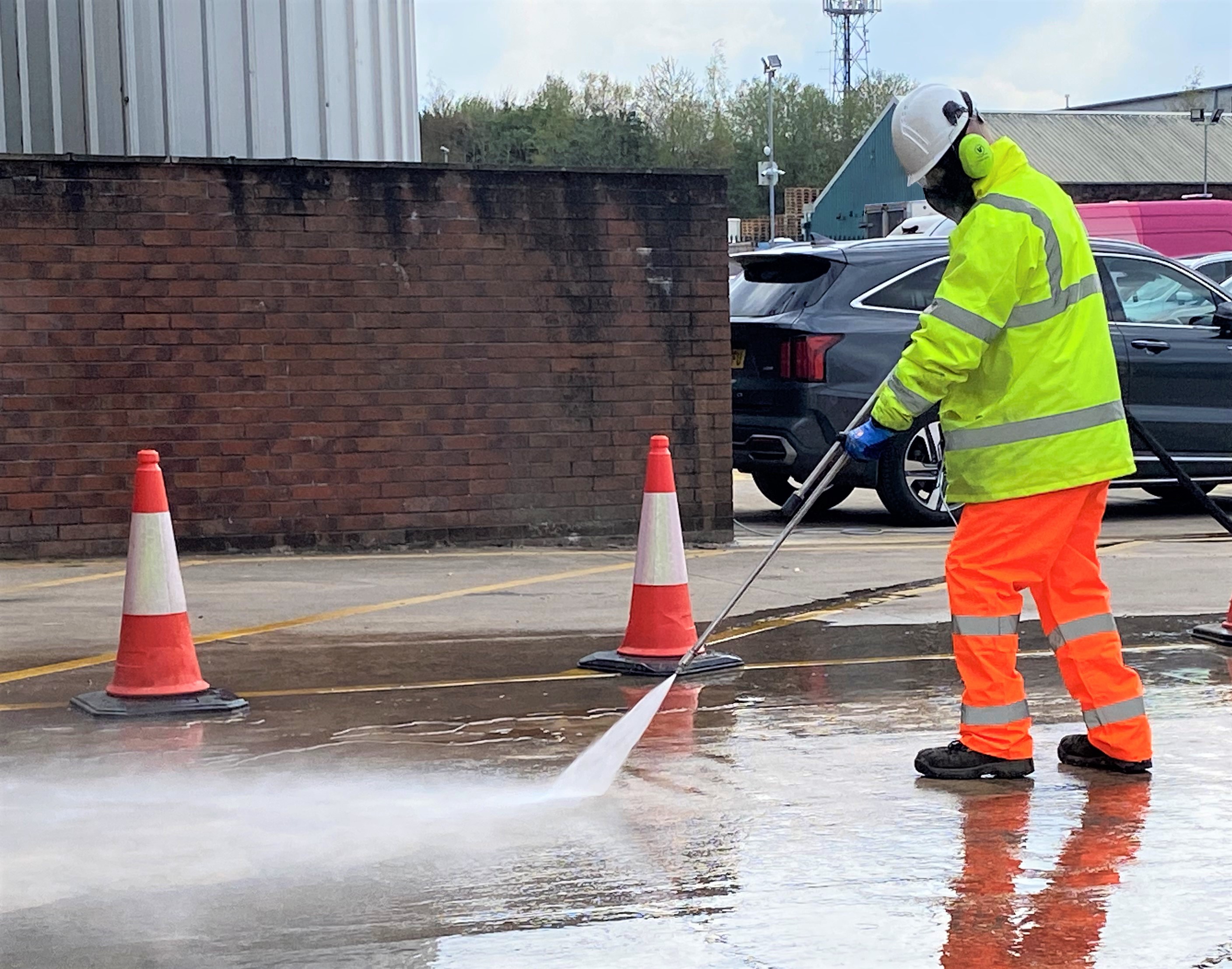
The Water Jetting Association is implementing changes to its drain and sewer training to embed standards and improve the learning experience of operatives as it reports a major increase in courses delivered.

The association, the member organisation for the water jetting industry, has introduced a series of updates to its training procedures designed to raise the quality of training outcomes.

Its aim is to build on the success of its City & Guilds accredited courses, the key ones for the drainage industry being its class-based Safety Awareness course and its Drain and Sewer practical module.

Operatives must pass both courses to obtain their WJA training cards. Many contractors and water utility companies specify this training standard for jetting operatives working on their sites.

Latest figures show a big increase in WJA people courses being delivered over the last five years. In 2022, nearly 20,000 people attended WJA courses, well over double the number of courses delivered in 2018.

For the WJA Drain and Sewer practical module, the uplift on training is even more evident, with a five-fold increase in the courses delivered in 2022 compared with 2018.

WJA Training and Safety Chairman Steve Williams said: “Increasing practical training must be good for the drainage industry. Contractors must be given huge credit for embracing our approach.

“Hands-on training delivered by skilled WJA approved instructors is vital to set an industry standard on the safety and operational performance of water jetting in drains, sewers and other wastewater assets.”

The WJA is committed to continuously reviewing and improving its training offer to the drainage industry, a process that has resulted in significant changes over the last six months.

A key step has been the publication of a fully revised WJA code of practice for use of water jetting equipment in drains and sewers, the Red Code.

For example, it now encompasses surface preparation jetting up to 275 bar, to acknowledge the cleaning and washdown tasks drainage contractors increasingly carry out.

The WJA has had valuable input from the HSE in updating the Red Code, reflecting the safety regulator’s view of the importance of this code in the water jetting industry.

Steve Williams said: “Any drainage contractor that builds the Red Code guidance into operational procedures can be sure it’s working to health and safety standards the HSE considers to be best practice.

“We also value the insights of WJA members. By pooling their knowledge and drainage industry experience, the Red Code is improving safety for everyone. This is at the core of the WJA’s purpose.”

The Drain and Sewer practical module has also been updated, in line with the Red Code changes, so technical issues learned and techniques taught are fully up-to-date.

WJA approved instructors can now use the CLiKAPAD digital Q&A system to assess operatives during the training. This is making learning more engaging. It also helps overcome barriers related to language, writing and numeracy skills, as well as anxiety about being tested.

The refresher training process has also been improved, with operatives now sitting a Safety Awareness recap and the practical element of the WJA practical module relevant to their industry, so practice skills can also be assessed and best practice reinforced.

The permitted size of courses has been increased to 12 delegates, as long as risk assessments for safety and training quality have been carried out.

This removes limits found to be unnecessary, and allows WJA approved training providers and instructors to plan training more effectively to meet growing demand for WJA water jetting training.

The WJA has also introduced an Audited Member programme, with all participating members being audited every three years. This gives their clients even greater assurance about WJA standards, and an opportunity for members to market those standards more effectively.

www.waterjetting.org.uk

This article can alos be found in the issue below.


Lightweight, Portable, Zone 0 Rated Area Light

The Nightstick XPR-5592GX area light has revolutionized how oil and gas industry workers approach hazardous conditions. With its powerful LED lights and robust construction, this area light offers a range of benefits that make it a must-have tool for any worker operating in this demanding environment.

First and foremost, the XPR-5592GX provides bright, reliable LED lighting that makes it easier for workers to see what they are working on. Its LED lights provide a clear, bright 1200-lumen floodlight rated for Class I Division 1 and Zone 0 hazardous environments (ATEX and IECEx).

In addition to its lighting capabilities, the XPR-5592GX is designed to withstand even the most demanding conditions. It is built with rugged, industrial-grade materials that can withstand the rigors of daily use in the oil and gas industry, making it ideal for use in rough, challenging environments. The light is also waterproof and shock-resistant, ensuring it will remain functional even in the harshest work conditions. The XPR-5592GCX model includes a durable six-foot tripod.

Another benefit of the XPR-5592GX is its long battery life. With up to 12 hours of continuous use on a single charge, workers can rely on this area light to provide reliable, long-lasting light throughout their shift.

The XPR-5592GX is designed for easy, convenient use. With its powerful rare-earth magnetic base and telescoping carry/hanging handle, the light can be placed anywhere.

In conclusion, the XPR-5592GX area light is a must-have tool for any oil and gas industry worker. Its robust lighting, rugged construction, long battery life, and convenient design provide a range of benefits that help teams work more efficiently and safely, even in the harshest conditions. 

When Life Depends on Light®, you can trust Nightstick. Visit us at nightstick.com or 

call 1-469-326-9400

This article can also be found in the issue below. 

Delivering the ultimate ‘fit for purpose’ cable glands for 75 years!

Focusing on creating the ultimate product, and not diversifying into other areas has meant that we have been delivering industry-leading fit for purpose, fully certified cable glands and enclosure accessories for 75 years.

Certifications

  • Hazardous area glands are certified Ex db, Ex eb and Ex nR
  • Multiple Certification includes UKCA, ATEX, IECEx, CSA, UL, INMETRO, EAC, CCoE & CCC
  • Marine Certification including RMRS, LLoyds & ABS
  • Certification specifically for temperatures as low as -60°C and as high as +180°C.

What do we mean by ‘fit for purpose’?

There are many cable glands on the market, and many that will serve their purpose, however we set out to supply cable glands that do more than serve; they needed to be robust, fully inspectable and backed by a first-class customer service that will ensure every last detail is considered.

By their very nature, cable glands should be tough – anything less and entire projects can come to a standstill. Predominately (but not exclusively) used in explosive atmospheres, it’s crucial that cable glands are approved for the selected type of cable and the protection concepts meet the requirements of the equipment to which they are attached.

Whether for an explosive environment or an industrial one, you need the assurance that the cable glands you commission will do what they are built to do – protect and last. Without them, entire projects can collapse.

Why you can trust Peppers

Despite opportunities arising to expand into other areas, we have always been determined to be the definitive cable gland supplier, concentrating on the design and manufacture of what are widely regarded as the best cable glands on the market. We understand our market and we know what our customers need to ensure the success of their projects – our dedication to quality and innovation means our cable glands are the absolute best fit for purpose product available today.

www.peppers.co.uk

This article can also be found in the issue below.


50 years of REMBE – With empathy and heart, at any time and worldwide.

After fifty years of business, people often look back at the history, at old pictures, brochures and reports. But in REMBE's anniversary year things are different, because here (today just as 50 years ago) it is the people who shape the corporate spirit and make REMBE what it is today. Stefan Penno, Chief Executive Officer REMBE GmbH Safety+Control explains: "We trust each other, see the best in people and believe in each person's individual strengths. Because humans are what matters to us."

Bernhard Penno founded the company in 1973 as a sales office for rupture discs – initially as a one-man business in his garage at home. Just a few years later, new rupture disc designs were being manufactured in the company's first production hall. In 2005, Stefan Penno, the son of the company founder, took the reins of the business. Today, REMBE employs 340 "RFM" (REMBE family members) in over 90 countries and with 10 subsidiaries.

To mark its anniversary year, REMBE has come up with some "special activities". This year's celebrations are entirely in keeping with the above motto. They will start with an international REX conference for all RFMs worldwide. After a long break due to the coronavirus pandemic, the conference can finally resume this year at the newly renovated company headquarters in Brilon, Sauerland. This will be followed by the REMBE Family Day, thus ensuring that the anniversary year will be commemorated in style.

REMBE rupture discs and explosion protection systems safeguard processes in all industries around the world and help to save lies every day. REMBE wouldn’t be REMBE if we didn’t think outside the box, says Stefan Penno. With this in mind, several initiatives have been launched in recent years. For example, the RFMs involved in the REMBE green initiative are looking for improvement potential, determining which environmental aspects could be given greater attention to benefit customers and partners, and evaluating ways to ensure natural resources are handled responsibly – and are thus making a small contribution to protecting our planet.

After the REMBE WeltWald was launched last year as a major project of the initiative (8 hectares of forest are being reforested here), there is another campaign for the anniversary. 50 years - 500 trees. For more information: https://rembe-green.de/

This article can also be foud in the issue below.


BVC ATEX Industrial Vacuum Cleaners – Choosing the Right Machine

BVC Industrial Vacuum Cleaners are now manufactured by Quirepace Ltd in Fareham, Hampshire but the Company has direct roots back to the original British Vacuum Cleaner Company formed by Hubert Cecil Booth in 1902 to exploit his patented innovation, the first mechanically-powered vacuum cleaner.

Today Quirepace specialise in manufacturing heavy duty vacuum cleaners under the BVC brand designed to meet the rigours and harsh environments found in Industry.

Of particular importance, and even more so now where there is increasing focus on fire and explosion risk, is the range of BVC machines designed for ATEX environments. Most of the ATEX rated units in the BVC range are “category 3” products; that is, they are designed to operate in areas where an explosive atmosphere is not likely to occur but if it does occur, will persist for a short period only.

It is the employers and/or owners’ responsibility to determine the risks within their establishment. DSEAR (Dangerous Substances and Explosive Atmospheres Regulations) places responsibility with EMPLOYERS and the self-employed to carry out a Risk Assessment of their workplace to identify the risks from fires or explosions and to take preventive measures.

One of the preventative measures is to ensure that any vacuum cleaners used for cleaning are appropriately rated for the area they are to be used in. When thinking about Vacuum Cleaners people think about dust, particularly with reference to ATEX zones where dust in the air can under some circumstances become explosive.

Potentially explosive dusts include dusts of organic compounds such as sugar, flour, wood, plastics and also metal dusts such as aluminium and magnesium. It is extremely important, in the context of choosing an Industrial Vacuum Cleaner for an ATEX zone to understand that the ATEX rating of the machine relates solely to the area the machine is to be used in but does not imply any confirmation that the product is suitable to be cleaned with a vacuum cleaner. For example, some very fine metal dusts have a very low Minimum Ignition Energy and are unsuitable for vacuuming because of the ease with which they will catch fire, even if the ATEX zone has a lower rating.

It is always the employers and/or owners’ responsibility to do their own risk assessments on their products.

Potentially explosive atmospheres are not only created by dusts but also by gases. If a particular operation has ATEX zones that refer to both Gas and Dust hazards, then it is essential that any Industrial Vacuum Cleaner is likewise appropriately rated for both environments.

Whilst ATEX Dust Zone 22 and ATEX Gas Zone 2 both require a category 3 rated machine, the actual specifications of a machine may differ slightly for use in each environment. For example, an ATEX rated vacuum cleaner for Dust Zone 22 may not automatically be suitable for Gas Zone 2. This is because components such as motors and motor starters may require different levels of protection for Gas Zones.

BVC ATEX rated Industrial Vacuum Cleaners are available in various specifications. For example, the popular IV60 1-2kW unit is available rated either for dust only, or in a slightly different configuration for both dust and gas rated ATEX environments. The rating plates and documentation for the machines confirms the specification of each individual unit.

Choosing the correct ATEX rated vacuum cleaner can be a fairly complex decision and Quirepace’s experienced sales team are able to advise the correct machine to supply to meet the ATEX zone requirements that have been determined by the employer and/or owner of the operation.

Quirepace Ltd

023 9260 3700

Quirepace.co.uk

This email address is being protected from spambots. You need JavaScript enabled to view it.

This article can alos be found in the issue below.


Understanding the differences between UKCA ‘Ex’, The ATEX Directive and IECEx

logos


ATEX Certification (EU)

ATEX is one of the CE Marking Directives required for placing products on the European market when the product is designed to be used in potentially explosive atmospheres. The use of harmonized European standards (prefixed ‘EN’) gives the manufacturer the “presumption of conformity” to the “Essential Health and Safety Requirements (EHSRs)” and this is the basis on which to issue a declaration of compliance for the ATEX Directive. It is also possible to certify directly against the Essential Health and Safety Requirements without applying a Standard, but this is a far more difficult route and requires a high degree of specialist knowledge. The ATEX Directive requires that Zone 0 and Zone 1 electrical equipment (and zone 0 non-electrical equipment) has the following documents for approval.

  • An ATEX EC Type Exam Certificate issued by a Notified Body
  • An ATEX Quality Module issued by a Notified Body
  • A Declaration of Conformity (DoC) and Technical File stating compliance with all applicable Directives. The DoC is issued by the manufacturer.

For certain types of equipment (non-electrical for Zone 1 or both electrical and non-electrical for Zone 2), it is possible to self-certify, although in many cases buyers will request some form of 3rd party certification. For non-electrical equipment designed for Zone 1 use, self-certification can be carried out, but the technical file generated must be lodged with a Notified Body.

UKCA ‘EX’ Certification (UK)

UKCA ‘EX’ Certication is essentially the same as ATEX with the major difference that the products are certified to ‘UK Designated Standards’ by a UK Government Appointed Body for the ‘EPS Regulations’ (Equipment and Protective Systems).

The IECEx Scheme (Global)

The IECEx Scheme is a voluntary Certification Body Scheme for Ex equipment and assemblies used in potentially explosive atmospheres. It consists of three elements, all issued by an IECEx Scheme Certification Body (ExCB):

  • IECEx Test Report (ExTR), which documents the evaluation and testing of the subject equipment, performed to the applicable IEC Series Standards
  • IECEx Quality Assessment Report (ExQAR), which documents the suitability of the manufacturer’s QA system.
  • IECEx Certificate of Conformity (IECEx CoC), which can be issued to a manufacturer holding an ExTR and an applicable ExQAR. This is published ‘on-line’ and is live.

Unlike ATEX and UKCA ‘Ex’ there is no route for self-certification. Unlike ATEX and UKCA there is also no legal requirement to have IECEx Certified Equipment, but it is often a requirement of end users (who prefer that all approval is from a highly regulated 3rd party) and by other Certification Bodies around the world who use the IECEX Test Report as the basis for local certication. IECEX is the ‘passport’ for Global ‘Ex’ Approval and access to world markets.

Sean Clarke CEng MSc FIET is the Managing Director of ExVeritas who a UKCA Approved ‘Ex’ Body, an ATEX Notified Body and IECEx Test and Certification Body. www.exveritas.com for on-line ATEX and UKCA Technical File Lodging