News

What Is a Gas Detection Wearable? Frequently Asked Questions About Connected Safety Technology

The number of workplace injuries remains nearly unchanged year-over-year, with more than 2 million nonfatal workplace injuries and illnesses reported by provide industry employees in 2019.[i] And up to 90% of workplace injuries can be attributed to human error.

While PPE has not traditionally had the technological capabilities to help prevent worker injury due to human error, the latest safety innovations, such as gas detection wearables, can help provide the visibility and data-driven insights to help your organization create an adaptable, proactive safety program and establish a culture of behaviour-based safety. Connected, wearable technology is leading the way for gas detection programs to evolve and enhance both their approach to worker safety and their approach to record-keeping, compliance, and fleet management.

But transforming your organisation to a connected program does not happen overnight. The first step is understanding the benefits of wearable technology and how a connected program can work for your organisation.

To start, what is a gas detection wearable? What are the benefits of connected safety technology? Here are answers to those top questions:

  1. What is a gas detection wearable?

A gas detection wearable is designed to be worn by each individual worker, on his/her person, while on the jobsite. With a wearable detector that can simply clip directly on to apparel or other PPE, such as a fall harness, lone workers can be monitored in real-time to help provide critical data points about on-site workers to off-site safety managers, including emergency monitoring.

A wearable device can be a useful way to monitor workers’ safety, location, and behaviors; however, it may not always be enough to help build a proactive, adaptable gas detection safety program over time.

But a wearable gas detector that comes with automatic connectivity can be much more impactful in terms of driving transformation, efficiency, and reaching long-term safety and productivity goals of a gas detection program.

  1. What does the term “connected” mean for gas detection hardware?

The term “connected” not only means a connected device – one that comes with out-of-the-box, cutting-edge cellular connectivity through leading national networks – but also a comprehensive solution inclusive of hardware software. It’s not necessarily enough to simply have cellular connectivity; hardware should also be connected to software, so that connectivity can provide the real-time data and insights to help drive adaptable, proactive safety programs.

This connectivity transforms hardware from traditional PPE to a technology-based, future-forward solution.  Successful integration of this advanced technology requires that not only are devices smarter and capable of providing visibility and insights to help curb risk, boost productivity, and simplify compliance, but also that they continue to perform with the durability and functionality to maintain their first and foremost mission of helping to protect the worker. As a wearable device, the detector should maintain the IP-rating, sensor technology, and battery life expected of today’s most durable portable gas detectors.

A wearable device that comes with automatic connectivity right out-of-the-box allows for quick and seamless implementation, no IT required.

  1. How can wearable, connected technology help improve worker safety?

The most common industries for lone workers include oil and gas, telecommunications, utilities, construction, and industrial contractors. With wearable devices, safety managers can help ensure these lone workers are not completely alone. By digitally assigning a wearable device to individual workers at the start of each shift, safety managers can gain insight into key individual worker data including:

  • Compliance of device use and faulty safety behaviours, including turning off an instrument or changing settings
  • Workers’ locations, gas readings, and alarms
  • Safety behaviours in the field, and whether new training specific to individuals is needed

A connected work program for gas detection can provide the visibility that is needed to manage large teams of workers and help establish a behaviour-based culture of safety. With real-time visibility of lone workers, safety managers can help make sure those workers are protected, with instant alerts. And  connected hardware and software solutions can provide real-time data such as worker location and how the detector is being used by each worker – which can all help inform safety training to both drive worker safety day-to-day and enhance an organisation’s safety culture over time.

  1. How can wearable technology improve worksite safety?


It can be difficult to difficult to manage assets across different worksites and keep remote teams safe and productive. Connecting worksites with wearable, connected technology gives safety managers visibility into:

  • Teams and assets, including worker position and activities and which devices require maintenance
  • External and environmental factors, such as temperature or humidity
  • Equipment status, maintenance, and asset management information across all worksite locations
  • Centralized reports and data logs for automated compliance
  • Intelligent mapping and zone segmentation, automated digital follow-ups, alarm sharing, and heatmapping to help drive operation-wide safety

With notifications available on both desktop and mobile devices, safety managers can get alerts when alarm exposure or SOS event occurs. Other details such as GPS location, gas readings, and compliance data are readily available within these immediate notifications provides safety managers with the visibility needed to manage safety and productivity across multiple worksites at once, all from remote, off-site locations.


  1. How can wearable technology improve compliance and accountability across an organization?

Since a non-compliant detector can lead to potentially disastrous outcomes, it’s essential to ensure that every device is optimised. In other words, every device operates and protects the worker as it should. Technology not only makes this possible, it also makes it seamless. Advanced features that wearable technologies for gas detection should include are:

  • Automatic bump tests and calibration when devices need it
  • Visual indicators with green, yellow, and red lights representing “compliant,” “non-compliant,” and “in alarm,” respectively
  • Device lock out to ensure that non-compliant devices are not inadvertently used
  • Real-time historical data into specific workers
  1. Can wearable devices help improve compliance and overall workflows?

Connected wearable devices allow you to connect workflows across your organization by providing insight into compliance and productivity issues. This information, coupled with connected cloud-based software, can allow you to:

  • Automate compliance and help to reduce false alarms, remove asset-related risks, and lower the cost of downtime
  • Determine if instruments have been configured correctly and are compliant in testing and while in use
  • Create comprehensive reports in an industry standard format
  1. What type of investment should an organization anticipate for implementing new wearable and connected technology across their workers and worksites?


With the latest technology, often comes newer business models to help drive your organizations’ transformation to a connected safety program. Subscription models that include both detector hardware and software options can help enable faster implementation, along with increased warranty coverage and ongoing software and firmware upgrades.

The right partner can help support your organisation’s connected safety journey with the right solution to fit your needs, from the number of wearables to various software options and features capabilities, giving you flexibility.

A seamlessly integrated solution of connected wearables and cloud-based software can provide visibility of your workers, worksite, and workflows that can make all the difference and help organizations drive a proactive safety culture over time.

Find out more about the latest innovations in connected gas detection wearables here.


Love Your Lungs Week: Reduce the Risk this Love Your Lungs Week

For Love Your Lungs Week, Kevin Williams, Respiratory Services Manager at Arco Professional Safety Services, shares his insights into what businesses and organisations need to know to protect their staff’s respiratory health.

There are 19,000 estimated new cases of breathing or lung problems caused or made worse by work, annually over the last three years, according to self-reports from the Labour Force Survey1. This statistic is entirely preventable if risks are appropriately controlled. This Love Your Lungs Week is an ideal opportunity to raise the profile of respiratory health as a serious workplace safety issue.

Businesses and organisations must know how to protect staff and provide adequate respiratory protection. Employers have a legal duty to put in place suitable arrangements to manage workplace health and safety, including compliance with the Control of Substances Hazardous to Health Regulations 2002 (COSHH). A considered approach can prevent future deaths and ensure regulatory compliance.

What are the Dangers?

The inhalation of hazardous substances poses a serious risk to workers’ health. Hazards can be present in the form of dusts, fibres and fumes, mists and sprays, micro-organisms, gases and vapours. However, this type of exposure is more common in certain industries, such as construction and manufacturing, with the largest estimate of occupational cancer cases. A hazardous substance of particular prominence is respirable crystalline silica (RCS) or silica dust. This is a common by-product of many manufacturing tasks, such as brick and tile manufacture, ceramics, stone working, kitchen worktop manufacture and foundry work, which can all produce airborne silica particles that are invisible to the naked eye.

Inhalation of RCS can cause the development of the following lung diseases:

Silicosis – makes breathing more difficult and increases the risk of lung infections. Silicosis usually follows exposure over many years, but extremely high exposures can lead to rapid ill health.

Chronic Obstructive Pulmonary Disease (COPD) – a group of lung diseases, including bronchitis and emphysema, resulting in severe breathlessness, prolonged coughing, and chronic disability. It can be very disabling and is a leading cause of death.

Lung Cancer - can be caused by heavy and prolonged exposure to RCS dust. When someone already has silicosis, there is an increased risk of lung cancer.

What Can be Done?

The first step toward protecting employees and workers is identifying the materials and substances that present a respiratory health hazard. Organisations and businesses must understand the specific risks of any materials within a workplace to ensure the appropriate control measures are in place.

Material Safety Data Sheets (MSDs) serve as a valuable tool for collating and digesting information regarding any potentially hazardous substances in a workplace. This includes identification, make-up and usage and advice on exposure controls and personal protection.

Moreover, understanding relevant hazardous substances in the workplace is not only crucial for protecting employees, but also forms the foundation in conducting a risk assessment - a vital process to be carried out before work can begin. Being proactive is essential for any risk assessment, requiring a consideration not only of hazardous materials but also of individuals who may come into contact with them, including both employees and the public. A full risk assessment is essential to maintain regulatory compliance and safeguarding employees’ wellbeing.

Following a complete risk assessment and recognising any potential hazards, preventative and protective measures should be implemented. This is highly conditional to the specific work scenario; however, all situations should first consider the possibility of substitution of hazardous materials. The removal of risk is the easiest path to safety. In cases where this is not possible:

Utilise engineering controls to remove or reduce employee exposure. These might be less powerful tools, water systems or an ‘on-tool dust’ extraction solution.

Provide PPE in the form of respiratory protective equipment (RPE). An effective respiratory management programme will ensure correct RPE selection, face-fit testing (for tight fitting RPE), relevant training and regular equipment inspections and maintenance. When selecting types of personal protective equipment, the correct selection of RPE is critical. Experts should be consulted if there is any uncertainty.

Carry out regular employee health monitoring. This will ensure that all control measures are working. Monitoring employees’ health can identify early signs of exposure and can inform updates on current control measures.

Together we can prevent these needless deaths from work-related lung diseases. A well-thought-out approach to risk management and the correct RPE can dramatically reduce the current statistics across all sectors.

As part of a series of toolbox talks, Arco has produced a video around respiratory protection and advice for those working around wood dust and Silica dust.

Following submissions to both consultations by the All-Party Parliamentary Group (APPG) for Respiratory Health, relating to the hazards of silica dust, Arco accepted an invitation to join a panel of industry experts to advise the Government on how to tackle the risks associated with silica dust.

Click the links for further information about Arco’s comprehensive product range and the supporting respiratory services and training provided by Arco Professional Safety Services

EEMUA welcomes Canadian Tank and Vessel as an Associate

Blue on transparent background

Canadian Tank


Canadian Tank and Vessel (CT&V) has become the latest company to join EEMUA as an Associate.


CT&V is a storage tank contractor involved in the design, fabrication, construction and repair of steel containment structures. The company serves a wide range of industries across Canada, including terminals, pipeline, refining, petrochemical, LNG/cryogenics and nuclear hazardous materials.
EEMUA looks forward to working with Canadian Tank and Vessel in supporting the Association’s aim of helping improve the safety, environmental and operating performance of industrial assets worldwide.


CT&V: www.ct-v.ca

EEMUA: www.eemua.org

What Is a Gas Detection Wearable?


The number of workplace injuries remains nearly unchanged year-over-year, with more than 2 million nonfatal workplace injuries and illnesses reported by provide industry employees in 2019.[1] And up to 90% of workplace injuries can be attributed to human error.[2]


While PPE has not traditionally had the technological capabilities to help prevent worker injury due to human error, the latest safety innovations, such as gas detection wearables, can help provide the visibility and data-driven insights to help your organization create an adaptable, proactive safety program and establish a culture of behaviour-based safety. Connected, wearable technology is leading the way for gas detection programs to evolve and enhance both their approach to worker safety and their approach to record-keeping, compliance, and fleet management.


But transforming your organisation to a connected program does not happen overnight. The first step is understanding the benefits of wearable technology and how a connected program can work for your organisation.


To start, what is a gas detection wearable? What are the benefits of connected safety technology? Here are answers to those top questions:


  1. What is a gas detection wearable?


A gas detection wearable is designed to be worn by each individual worker, on his/her person, while on the jobsite. With a wearable detector that can simply clip directly on to apparel or other PPE, such as a fall harness, lone workers can be monitored in real-time to help provide critical data points about on-site workers to off-site safety managers, including emergency monitoring.


A wearable device can be a useful way to monitor workers’ safety, location, and behaviors; however, it may not always be enough to help build a proactive, adaptable gas detection safety program over time.


But a wearable gas detector that comes with automatic connectivity can be much more impactful in terms of driving transformation, efficiency, and reaching long-term safety and productivity goals of a gas detection program.


  1. What does the term “connected” mean for gas detection hardware?


The term “connected” not only means a connected device – one that comes with out-of-the-box, cutting-edge cellular connectivity through leading national networks – but also a comprehensive solution inclusive of hardware software. It’s not necessarily enough to simply have cellular connectivity; hardware should also be connected to software, so that connectivity can provide the real-time data and insights to help drive adaptable, proactive safety programs.


This connectivity transforms hardware from traditional PPE to a technology-based, future-forward solution. Successful integration of this advanced technology requires that not only are devices smarter and capable of providing visibility and insights to help curb risk, boost productivity, and simplify compliance, but also that they continue to perform with the durability and functionality to maintain their first and foremost mission of helping to protect the worker. As a wearable device, the detector should maintain the IP-rating, sensor technology, and battery life expected of today’s most durable portable gas detectors.


A wearable device that comes with automatic connectivity right out-of-the-box allows for quick and seamless implementation, no IT required.


  1. How can wearable, connected technology help improve worker safety?


The most common industries for lone workers include oil and gas, telecommunications, utilities, construction, and industrial contractors. With wearable devices, safety managers can help ensure these lone workers are not completely alone. By digitally assigning a wearable device to individual workers at the start of each shift, safety managers can gain insight into key individual worker data including:

  • Compliance of device use and faulty safety behaviours, including turning off an instrument or changing settings
  • Workers’ locations, gas readings, and alarms
  • Safety behaviours in the field, and whether new training specific to individuals is needed


A connected work program for gas detection can provide the visibility that is needed to manage large teams of workers and help establish a behaviour-based culture of safety. With real-time visibility of lone workers, safety managers can help make sure those workers are protected, with instant alerts. And connected hardware and software solutions can provide real-time data such as worker location and how the detector is being used by each worker – which can all help inform safety training to both drive worker safety day-to-day and enhance an organisation’s safety culture over time.


  1. How can wearable technology improve worksite safety?


It can be difficult to difficult to manage assets across different worksites and keep remote teams safe and productive. Connecting worksites with wearable, connected technology gives safety managers visibility into:


  • Teams and assets, including worker position and activities and which devices require maintenance
  • External and environmental factors, such as temperature or humidity
  • Equipment status, maintenance, and asset management information across all worksite locations
  • Centralised reports and data logs for automated compliance
  • Intelligent mapping and zone segmentation, automated digital follow-ups, alarm sharing, and heatmapping to help drive operation-wide safety


With notifications available on both desktop and mobile devices, safety managers can get alerts when alarm exposure or SOS event occurs. Other details such as GPS location, gas readings, and compliance data are readily available within these immediate notifications provides safety managers with the visibility needed to manage safety and productivity across multiple worksites at once, all from remote, off-site locations.


  1. How can wearable technology improve compliance and accountability across an organisation?


Since a non-compliant detector can lead to potentially disastrous outcomes, it’s essential to ensure that every device is optimised. In other words, every device operates and protects the worker as it should. Technology not only makes this possible, it also makes it seamless. Advanced features that wearable technologies for gas detection should include are:


  • Automatic bump tests and calibration when devices need it
  • Visual indicators with green, yellow, and red lights representing “compliant,” “non-compliant,” and “in alarm,” respectively
  • Device lock out to ensure that non-compliant devices are not inadvertently used
  • Real-time historical data into specific workers


  1. Can wearable devices help improve compliance and overall workflows?


Connected wearable devices allow you to connect workflows across your organisation by providing insight into compliance and productivity issues. This information, coupled with connected cloud-based software, can allow you to:


  • Automate compliance and help to reduce false alarms, remove asset-related risks, and lower the cost of downtime
  • Determine if instruments have been configured correctly and are compliant in testing and while in use
  • Create comprehensive reports in an industry standard format


  1. What type of investment should an organisation anticipate for implementing new wearable and connected technology across their workers and worksites?


With the latest technology, often comes newer business models to help drive your organisations’ transformation to a connected safety program. Subscription models that include both detector hardware and software options can help enable faster implementation, along with increased warranty coverage and ongoing software and firmware upgrades.


The right partner can help support your organisation’s connected safety journey with the right solution to fit your needs, from the number of wearables to various software options and features capabilities, giving you flexibility.


A seamlessly integrated solution of connected wearables and cloud-based software can provide visibility of your workers, worksite, and workflows that can make all the difference and help organisations drive a proactive safety culture over time.


Find out more about the latest innovations in connected gas detection wearables here.

What Is a Gas Detection Wearable?

View in Browser


What Is a Gas Detection Wearable?


The number of workplace injuries remains nearly unchanged year-over-year, with more than 2 million nonfatal workplace injuries and illnesses reported by provide industry employees in 2019.[1] And up to 90% of workplace injuries can be attributed to human error.[2]


While PPE has not traditionally had the technological capabilities to help prevent worker injury due to human error, the latest safety innovations, such as gas detection wearables, can help provide the visibility and data-driven insights to help your organization create an adaptable, proactive safety program and establish a culture of behaviour-based safety. Connected, wearable technology is leading the way for gas detection programs to evolve and enhance both their approach to worker safety and their approach to record-keeping, compliance, and fleet management.


But transforming your organisation to a connected program does not happen overnight. The first step is understanding the benefits of wearable technology and how a connected program can work for your organisation.


To start, what is a gas detection wearable? What are the benefits of connected safety technology? Here are answers to those top questions:


  1. What is a gas detection wearable?


A gas detection wearable is designed to be worn by each individual worker, on his/her person, while on the jobsite. With a wearable detector that can simply clip directly on to apparel or other PPE, such as a fall harness, lone workers can be monitored in real-time to help provide critical data points about on-site workers to off-site safety managers, including emergency monitoring.


A wearable device can be a useful way to monitor workers’ safety, location, and behaviors; however, it may not always be enough to help build a proactive, adaptable gas detection safety program over time.


But a wearable gas detector that comes with automatic connectivity can be much more impactful in terms of driving transformation, efficiency, and reaching long-term safety and productivity goals of a gas detection program.


  1. What does the term “connected” mean for gas detection hardware?


The term “connected” not only means a connected device – one that comes with out-of-the-box, cutting-edge cellular connectivity through leading national networks – but also a comprehensive solution inclusive of hardware software. It’s not necessarily enough to simply have cellular connectivity; hardware should also be connected to software, so that connectivity can provide the real-time data and insights to help drive adaptable, proactive safety programs.


This connectivity transforms hardware from traditional PPE to a technology-based, future-forward solution. Successful integration of this advanced technology requires that not only are devices smarter and capable of providing visibility and insights to help curb risk, boost productivity, and simplify compliance, but also that they continue to perform with the durability and functionality to maintain their first and foremost mission of helping to protect the worker. As a wearable device, the detector should maintain the IP-rating, sensor technology, and battery life expected of today’s most durable portable gas detectors.


A wearable device that comes with automatic connectivity right out-of-the-box allows for quick and seamless implementation, no IT required.


  1. How can wearable, connected technology help improve worker safety?


The most common industries for lone workers include oil and gas, telecommunications, utilities, construction, and industrial contractors. With wearable devices, safety managers can help ensure these lone workers are not completely alone. By digitally assigning a wearable device to individual workers at the start of each shift, safety managers can gain insight into key individual worker data including:

  • Compliance of device use and faulty safety behaviours, including turning off an instrument or changing settings
  • Workers’ locations, gas readings, and alarms
  • Safety behaviours in the field, and whether new training specific to individuals is needed


A connected work program for gas detection can provide the visibility that is needed to manage large teams of workers and help establish a behaviour-based culture of safety. With real-time visibility of lone workers, safety managers can help make sure those workers are protected, with instant alerts. And connected hardware and software solutions can provide real-time data such as worker location and how the detector is being used by each worker – which can all help inform safety training to both drive worker safety day-to-day and enhance an organisation’s safety culture over time.


  1. How can wearable technology improve worksite safety?


It can be difficult to difficult to manage assets across different worksites and keep remote teams safe and productive. Connecting worksites with wearable, connected technology gives safety managers visibility into:


  • Teams and assets, including worker position and activities and which devices require maintenance
  • External and environmental factors, such as temperature or humidity
  • Equipment status, maintenance, and asset management information across all worksite locations
  • Centralised reports and data logs for automated compliance
  • Intelligent mapping and zone segmentation, automated digital follow-ups, alarm sharing, and heatmapping to help drive operation-wide safety


With notifications available on both desktop and mobile devices, safety managers can get alerts when alarm exposure or SOS event occurs. Other details such as GPS location, gas readings, and compliance data are readily available within these immediate notifications provides safety managers with the visibility needed to manage safety and productivity across multiple worksites at once, all from remote, off-site locations.


  1. How can wearable technology improve compliance and accountability across an organisation?


Since a non-compliant detector can lead to potentially disastrous outcomes, it’s essential to ensure that every device is optimised. In other words, every device operates and protects the worker as it should. Technology not only makes this possible, it also makes it seamless. Advanced features that wearable technologies for gas detection should include are:


  • Automatic bump tests and calibration when devices need it
  • Visual indicators with green, yellow, and red lights representing “compliant,” “non-compliant,” and “in alarm,” respectively
  • Device lock out to ensure that non-compliant devices are not inadvertently used
  • Real-time historical data into specific workers


  1. Can wearable devices help improve compliance and overall workflows?


Connected wearable devices allow you to connect workflows across your organisation by providing insight into compliance and productivity issues. This information, coupled with connected cloud-based software, can allow you to:


  • Automate compliance and help to reduce false alarms, remove asset-related risks, and lower the cost of downtime
  • Determine if instruments have been configured correctly and are compliant in testing and while in use
  • Create comprehensive reports in an industry standard format


  1. What type of investment should an organisation anticipate for implementing new wearable and connected technology across their workers and worksites?


With the latest technology, often comes newer business models to help drive your organisations’ transformation to a connected safety program. Subscription models that include both detector hardware and software options can help enable faster implementation, along with increased warranty coverage and ongoing software and firmware upgrades.


The right partner can help support your organisation’s connected safety journey with the right solution to fit your needs, from the number of wearables to various software options and features capabilities, giving you flexibility.


A seamlessly integrated solution of connected wearables and cloud-based software can provide visibility of your workers, worksite, and workflows that can make all the difference and help organisations drive a proactive safety culture over time.


Find out more about the latest innovations in connected gas detection wearables here.

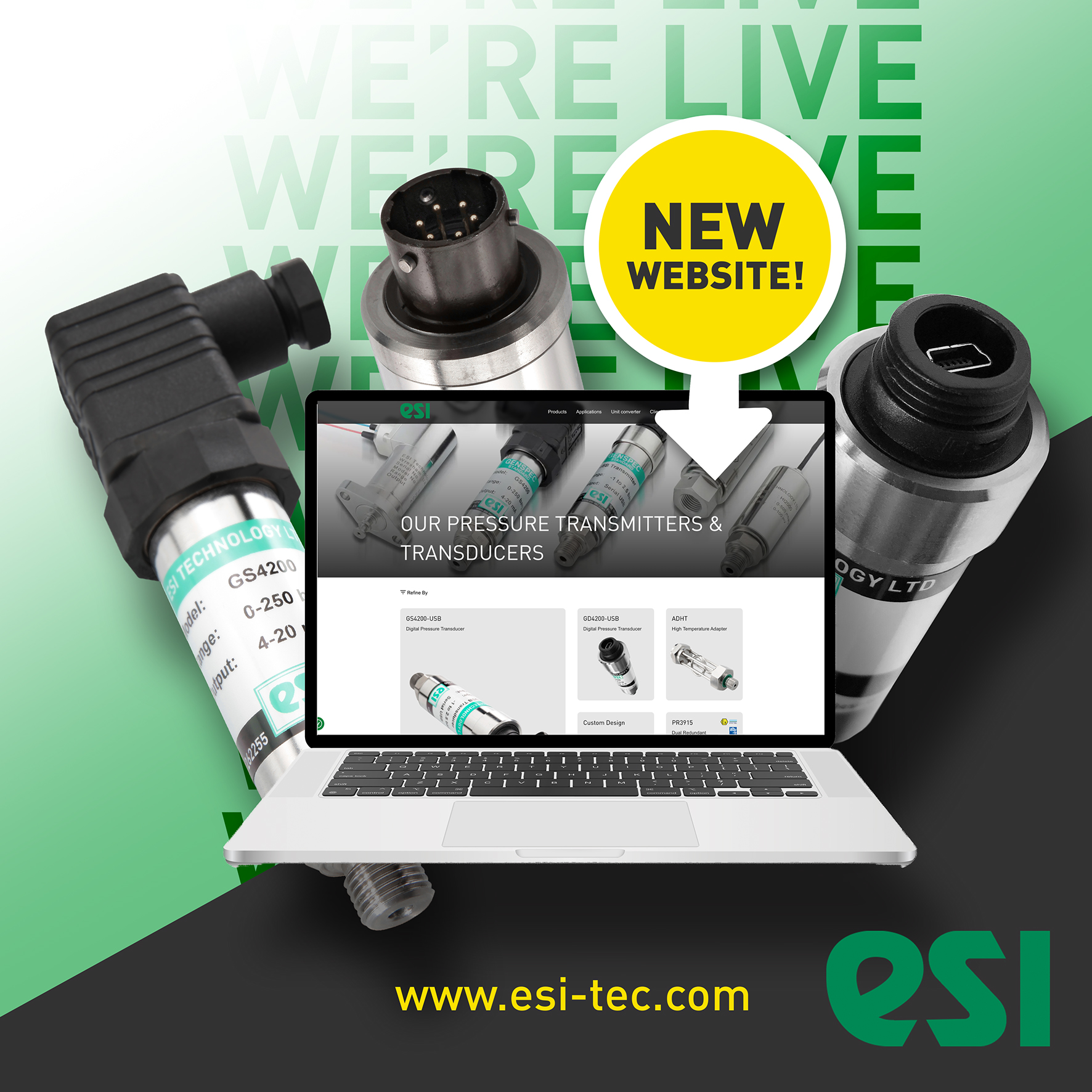
New Teledyne Gas and Flame Detection website launch

Teledyne Gas and Flame Detection, a global leader in gas and flame detection solutions, is pleased to announce the launch of its new website, featuring updated informational content and a user-friendly interface.

The website is designed to provide an enhanced experience, including improved accessibility and mobile compatibility. It introduces new content on a range of gases, including H2 , CO, O2 , NH3 and more, helping users understand the potential risks associated with each gas and how to detect them. In addition, the site includes detailed information on the company's range of gas and flame detection products, such as detectors, controllers and alarms, making it easy for users to find the right product or service for their specific needs. The new website is designed with a responsive layout, ensuring that it looks and functions seamlessly on all devices, including desktops, laptops, tablets, and smartphones. Moreover, it is further improved with intuitive filtering options, allowing users to easily find the products they need without wasting time scrolling through irrelevant items.

We are thrilled to launch our website, providing our customers with efficient navigation. With proven reputations for quality and reliability, our dedication to safety now goes further.” said Marion Defasques, Global Digital Communication Developer of Teledyne Gas and Flame Detection. “With our updated comprehensive content and smart design, we are confident that our users will find the information they need quickly and easily, creating a more pleasant and productive browsing experience.” Visit Teledyne Gas and Flame Detection's new website to learn more about gas and flame detection solutions, and to take advantage of informational content and intuitive filtering options

Gas Detection Systems - Flame and gas detector, hazardous gas detection monitors | Teledyne GFD (teledynegasandflamedetection.com)

BSIF launches checklist to take the risk out of buying PPE

With an increasing volume of substandard products on the market, the British Safety Industry Federation (BSIF) has issued a handy checklist to help specifiers and users check whether personal protective equipment (PPE) is fit for purpose.

BSIF analysis carried out last year showed that much of the PPE on the market fails to match up to the advertised protection.  

It completed tests on 127 non-member products, which included checking their compliance with relevant standards and testing whether they perform as claimed. Only 18 (15%) of these products were fully compliant. This means 108 products (85%) failed to meet the regulatory criteria, many of which are still for sale to unsuspecting users. 

The findings around non-member products contrast with the results of tests on products supplied by BSIF Registered Safety Suppliers, whose products are tested annually as part of the scheme’s audit process. Of 387 tests completed on Registered Safety Suppliers’ products, 332 (86%) passed immediately, and of the 55 (14%) that initially did not meet the test criteria, all issues were subsequently resolved.

The new BSIF PPE checklist has been created to help specifiers and users ensure that PPE complies with the law and conforms to PPE Regulation 2016/425. It presents a series of questions to ask when purchasing PPE, which are divided into sections for ease of use: Product Markings, Required Documentation, Product Condition, and Storage.  

Examples of questions included in the checklist are: 

  • Does the PPE have a UKCA, UKNI or CE Mark applied to it?
  • Was the PPE issued with User Instructions included?
  • Is there a Declaration of Conformity with the PPE
  • Is the PPE clean, undamaged and suitable for use?
  • Was the PPE stored correctly, according to the User Instructions?

If any questions present cause for concern, users are advised to seek support and guidance from their company’s health & safety advisor and the manufacturer of the PPE. The BSIF can also provide general guidance.

BSIF CEO Alan Murray says: “This checklist is a reminder that while anyone can sell safety, you shouldn’t buy safety from just anyone. Failing to check your PPE is fit for purpose could leave you or your employees, for whom you have a duty of care, vulnerable and unprotected, and also expose your organisation to the risk of prosecution. The easiest way to check your PPE is compliant is by only buying from a Registered Safety Supplier.”  


The checklist can be downloaded for free at: Check-your-PPE.pdf (bsif.co.uk) 

 The BSIF also offers anIs it Genuine – Certification Checklist’ that provides further advice on how to check if the supporting documentation for your PPE is genuine and what to do if you are concerned. It can be downloaded at https://www.bsif.co.uk/wp-content/uploads/2023/03/Is-it-Genuine-2023.pdf

Belzona’s New Epoxy Structural Adhesive Provides Metal Cold Bonding Solution

Facilities maintenance operations can face different circumstantial challenges which require modern solutions. Particularly for hazardous environments such as the oil & gas and petrochemical industries, cold-curing polymeric repair and protection materials can provide a novel means of bypassing these challenges.

This application demonstrates a Customer’s use of Belzona’s cold-curing epoxy two-part structural adhesive, Belzona 7311, to navigate these challenges in the petrochemical industry to fulfil their maintenance needs.

Pic1.jpeg

This metal tank needed maintenance to both the base and the roof

Pic2.jpeg

The structural epoxy adhesive, Belzona 7311, provided a cold bonding solution for the metal substrate

What was the Problem?

A metal storage tank in a Chemical Plant containing concentrated sulfuric acid required maintenance to both the base and the roof. The Customer needed to bond pipe supports to the top of the tank to reinforce the pipes directly above. However, the tank was installed with a rubber lining, ruling out hot work such as welding as a means of attaching the pipe supports.

Meanwhile, the existing tank base coating had been exposed to chemical attack and needed to be replaced with a suitable chemical-resistant coating to protect the tank from future chemical spills.

Pic_3.jpeg

The tank base had been exposed to chemical attack

pic4.jpeg

The internal rubber linning made welding inappropiate to bond the metal pipe support  

Belzona 7311: A New Cold Bonding Solution

Belzona’s first ever structural adhesive, Belzona 7311, proved to be the optimal cold bonding solution for the Customer’s requirements due to its high mechanical strength, cleavage and shear resistance. By using this technology, the supports could be cold bonded to the top of the metal tank without the associated risks of welding such as damage to the rubber lining and metal distortion known as Heat Affected Zones (HAZ). HAZ can be the result of the intense process of heating and cooling the substrate, leading to weaknesses in the metal and compromising the integrity of the weld joint.

Bonding of the Pipe Supports

The Contractor specified that the best way of attaching pipe supports was to cold bond six 254 mm by 254 mm (10 inch by 10 inch) metal plates to the top of the tank, which could then be cold bonded to the pipe supports. The chosen areas were marked with tape, before being prepared using handheld surface preparation tools. The application areas were prepared to SSPC-SP11 standard, producing a bare metal surface and a minimum 25 μm (1 mil) profile for a high level of adhesion.

The two-part epoxy adhesive, Belzona 7311, was then mixed and applied to both the substrate and the underside of the metal plates, before being held in place with no additional weight or pressure

while the product was allowed to cure. Once the plates had been cold bonded to the metal tank, the pipe supports were subsequently attached to reinforce the pipes in operation above the tank.

pic5.jpeg

The metal surface was prepared to allow the plates to adhere

Pic6.jpeg

The epoxy 2-part adhesive, Belzona 7311, was applied to both the tank surface and the plates

Pic7.jpeg

The cold bonding solution was allowed to cure with no extra weight or pressure

Application of the Chemical Resistant Coating

Belzona 4311 (Magma CR1) was specified to protect the tank base due to its chemical resistant qualities, having encountered no significant deterioration after a year of immersion in up to 98% sulfuric acid at 40°C (104°F), when tested in accordance with ISO 2812-1.

The previous tank base coating was removed and the concrete surface was prepared with an ATEX-rated power tool and conditioned using Belzona 4911 (Cleaner/Degreaser) to ensure maximum adhesion for the new coating.

Two coats of Belzona 4311 (Magma CR1) were applied to provide long-term protection to the tank base, avoiding the harmful financial, safety and environmental consequences of a future leak.

pic8.jpeg

Belzona 4311 (Magma CR1) was applied to the tank base

Pic9.jpeg

The chemical resistant coating will provide protection in the case of chemical spills

Pic10.jpeg

Results of the Repair

The sulfuric acid tank base will be protected against chemical attack for the long term due to the chemical resistant properties of Belzona 4311 (Magma CR1). Meanwhile, the Customer was impressed by the ability of Belzona 7311 to solve the challenges caused by the tank’s rubber lining, cold bonding the metal pipe supports securely without the need for welding. The Customer was also very satisfied by the high mechanical strength, cleavage and shear resistance demonstrated by the cold bonding solution during the application.

Pic11.jpeg

The strength of the cold bonding solution allowed the pipe supports to be seamlessly attached to the top of the tank

Cold Bonding Solution in Action

This application presented an example of the opportunities provided by the epoxy two-part structural adhesive, Belzona 7311 as a cold bonding solution, offering an effective and safe alternative to welding. The solution can be used for structural bonding applications requiring high mechanical strength, cleavage and shear resistance, including ladders, handrails and plate bonding, and is suitable for harsh service environments.

www.belzona.com