News

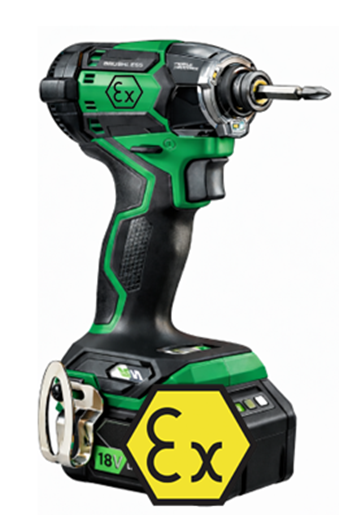
Introducing the next generation of ATEX-certified impact drivers—where safety meets uncompromising performance. Developed by Atexxo

This explosion-proof cordless impact driver is engineered specifically for use in ATEX Zone 2 hazardous environments, delivering reliability without limitations.

ATEX1.jpeg

For More information click here

Certified to ATEX Zone 2 II 3G; Ex ec h ic IIC T4 Gc, this cordless driver combines increased safety concepts with intrinsically safe switching, ensuring full compliance while maintaining the power professionals expect.

Unlike traditional solutions, this battery-powered design eliminates the need for pneumatic tools and hoses, offering unmatched mobility and ease of use. Built on proven industrial platforms and expertly converted for hazardous locations, it preserves all original functionality—now safe for use in explosive gas and vapor environments.

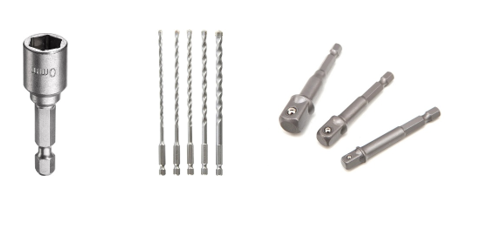
With up to 215 Nm torque, a ¼” hex quick-release system, and a lightweight, compact design, this impact driver is ideal for drilling, fastening, and wrenching across demanding applications such as petrochemical plants, offshore installations, and construction in hazardous areas.

ATEX2.jpeg

Engineered for productivity and durability, it features a modified non-sparking motor, intrinsically safe trigger system, and ATEX-compliant battery technology—ensuring safe operation without compromising performance.

Available as a complete set including body, battery, and charger (230V or 110V), with global delivery and support, this solution sets a new benchmark in explosion-safe cordless power tools.

Because in hazardous environments, safety should never come at the expense of performance.

www.atexxo.com

The Digitalisation of Knowledge and Its Impact on Process Safety

The walls of the DEKRA office are lined with a myriad of books and technical references. Each one contains the distilled knowledge of countless hours of work, yet many will never be opened again. As we move further into the age where all information is expected to be available whenever we so much as request it, I worry that the information trapped within these books and the minds of more senior engineers may fade into obscurity as a new generation of engineers develops.

As someone born in the generational hysteresis between Millennials and Gen-Z, I can just about remember life pre-computer. Phones were bricks, and computers lived in their own room in the house, but even then, the internet was quickly overtaking “traditional media”.

Now, using AI is quickly becoming the default position for many tasks, whether that be drafting a process procedure, producing an advertisement, or rewriting something that was perfectly adequate to begin with. A recent study by the Higher Education Policy Institute states that 94% of university students report using generative AI platforms to produce assessed work. A similar study conducted by MIT found that students who regularly used AI showed less brain activity during writing tasks, even when they were not using AI.

This trajectory suggests that the integration of AI into our lives is no longer optional, but inevitable. As these tools become embedded in everyday workflows, choosing not to use them increasingly equates to accepting reduced efficiency and competitiveness. The expectation is already shifting from whether AI should be used to how well it can be applied.

This reliance introduces a clear risk: as outputs are generated rather than derived, the depth of thinking and understanding behind them diminishes. Over time, this could erode the critical thinking and practical understanding that underpin good engineering practices. This is especially true for process safety, as many standards are locked behind paywalls and proprietary guidance, limiting the reliability of AI-generated outputs. As such, AI operates without access to much of the underlying authoritative material. DEKRA has tested the use of AI for developing hazardous area classifications and found that while outputs may at first appear convincing, they range from technically unsubstantiated to dangerously inadequate. In one instance, AI recommended a large zone 0 surrounding an outdoor pump, which contradicts fundamental ventilation principles, simply because it misinterpreted the wording of the prompt. The issue here is that because they look convincing, someone without sufficient knowledge on the topic could choose not to question any output.

In contrast, traditional literature offers a level of rigour and permanence that remains difficult to replicate. A well-written process safety manual is not simply a repository of information, but a structured body of knowledge which has been developed, reviewed, and refined over time. Unlike AI-generated outputs, which by definition lack transparency in their reasoning, books provide traceability: assumptions are stated, methodologies are justified, and conclusions are grounded in established principles. In process safety, where errors carry significant consequences, this reliability is not a luxury but a legal necessity. This does come with the caveat that, unlike AI, the information in a textbook cannot change. This can lead to situations where critical guidance becomes outdated long before the next revision cycle, creating a widening gap between documented best practice and emerging industry knowledge.

Moreover, engaging with technical literature demands a slower, more deliberate form of thinking. The process of interpreting, questioning, and applying information helps foster a 

deeper understanding than passive consumption. While AI may provide rapid answers, traditional media cultivates the judgment required to assess whether those answers are correct. I would certainly have more faith in the competence of someone who has studied a single book on risk assessment than a person who has spent the same amount of time consuming generated content on it.

Despite these limitations, it is equally important to recognise where AI offers genuine value. It is not limited to generating reports; it also acts as a gateway to knowledge that, only a few decades ago, may have been largely inaccessible. DEKRA has observed a growing client expectation for technical excellence, reflected in the increasing depth and quality of the questions we receive. This shift suggests that the traditional gatekeeping of hazardous area classification as a “black art” confined to specialist texts is no longer acceptable. Under DSEAR, the need for an informed and competent customer is explicit. While AI cannot provide all the answers to make a person competent, it can play a key role in prompting the right questions. This is without even mentioning the wide range of other applications for AI within process safety. From predicting process failure far before any instrument could, to supporting complex scenario modelling that would once have required specialist expertise and days of computing time. These capabilities also demand robust human oversight: without informed review, there is a risk that AIgenerated predictions may be misapplied, misunderstood, or overtrusted in safetycritical environments.

Ultimately, the question is not whether AI or traditional media should prevail, but how the two can coexist without undermining one another. The accessibility and adaptability of AI have the potential to democratise knowledge, breaking down barriers that once confined critical understanding to textbooks and experienced professionals. At the same time, the depth, scrutiny, and reliability of traditional sources remain essential in ensuring that this knowledge is applied correctly.

If the books in our offices are to become less frequently opened, their value must not be diminished, and neither must the expertise required to interpret what they contain. The goal should be not simply to work faster, but to demonstrate and uphold competence. This ensures that, like the invention of the computer itself, AI is used as a companion to rather than a substitute for understanding. In doing so, we avoid a future where information is abundant, but understanding is shallow.

This article was written by a human and reviewed with the assistance of AI.

References:

https://www.hepi.ac.uk/reports/student-generative-ai-survey-2026/

https://arxiv.org/abs/2506.08872

Enerpac expands Heavy Lift, Split Flow Pump range with Hydra-Pac Acquisition

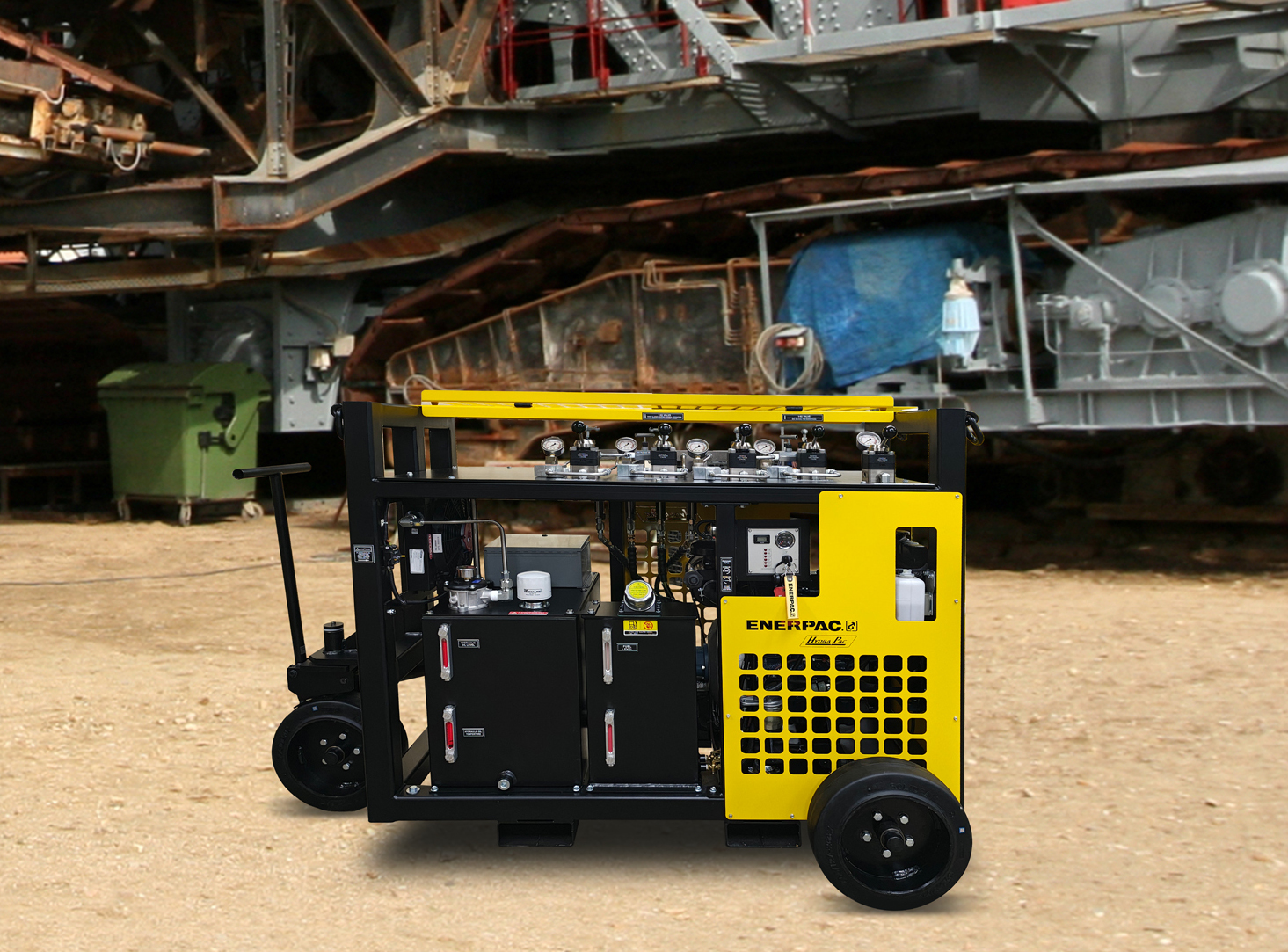
Enerpac, a global leader in high-pressure hydraulic tools and heavy lifting systems, has announced the expansion of its Heavy Lifting Technology portfolio following the acquisition of Canadian company Hydra-Pac, Inc. It now offers a new range of Split Flow Diesel Pumps for infrastructure, power generation, and remote job sites where external power is either unreliable or unavailable.
Enerpac Split Flow Pumps are a key component of many heavy lifting and skidding projects. They allow synchronised control of multiple hydraulic cylinders to safely move uneven loads uniformly during lifting, lowering and skidding operations. Until now, heavy load operations utilising split flow pumps have been tethered to external power generators often requiring extensive cabling and power planning adding significant cost, time, and logistical hurdles.
With this acquisition, Enerpac adds a new line of split flow pumps, including the Split Flow Pump – Diesel (SFP-D), that removes the need for external power. Instead of designing the lift around generators and cables, split-flow operations can be performed using a self-contained system. In addition, the split flow pump’s higher flow speeds ensure fast, yet safe, operations.
“Enerpac Split Flow Diesel Pumps allow teams on heavy lifting and heavy moving jobs to simplify setup, reduce job site complexity, and perform split-flow lifting independently of fixed or reliable power infrastructure,” says Carsten Daft, Product Manager, Enerpac. “In turn, these features provide our customers a lower total job cost by allowing them to perform their job with fewer products and increased speed. This is a significant advantage for customers across many markets, including infrastructure and power generation.”
Under the acquisition agreement, Enerpac Tool Group now owns all assets used in the manufacture and sale of Hydra-Pac branded equipment, including the Hydra-Pac lines of diesel, propane and electric split flow pumps and related ancillary products.
For more information on Enerpac Split Flow Pumps, visit www.enerpac.com
 

Seth Ratner, CEO of East Hills Instruments, is literally driving his company toward success.

In an era dominated by emails, Zoom calls, and polished boardroom presentations, Ratner is taking a different road, literally. He’s stepping away from the Zoom calls and heading out onto the open road, meeting customers face-to-face the way business used to be done. Recently completing a 14-day tour across Texas in a fully equipped RV, Ratner brought his company directly to the front lines of the gas and oil industries.

This isn’t just a throwback to relationship driven sales, he has put a modern twist on it. He’s documenting the entire journey through a fast-growing reality series on YouTube called, “On Site and Off Grid.”

Mr. Ratner stated, “What started as a creative way to showcase a unique sales approach has quickly taken on a life of its own.” With hundreds of viewers tuning in daily, the audience extends far beyond the industry itself. The show has quietly evolved into a cult favorite online, offering an unfiltered look at the people, places, and challenges that keep critical infrastructure running every day while also revealing the real struggles and resilience of a small, family-owned manufacturing business.

At its core, the series shines a light on an often overlooked workforce. The men and women working in refineries, plants, and facilities across the country rarely get recognition. Ratner’s show puts a face to that world, humanizing an industry that most people never see, but everyone depends on.

This dual approach of combining boots-on-the-ground relationship building with digital storytelling is what makes the strategy so unique. While many companies chase clicks and impressions, East Hills Instruments is building something deeper: trust, visibility, and authenticity.

And it’s paying off.

Mr. Ratner says, “Customers aren’t just watching but they’re engaging.” Prospects who may have once been unreachable through traditional channels are now reaching out after seeing the show. Conversations are warmer. Doors are opening faster. The line between marketing and relationship-building has begun to blur in a way that feels both natural and powerful.

At the same time, the show reinforces what truly differentiates East Hills Instruments: its products and its people. The company’s Magnum Pro Calibration Pumps have earned a reputation for being virtually indestructible and capable of withstand the harsh environment they are used. Paired with the patented technology behind its Winchester Engineering auto-ranging digital gauge, the combination delivers precision, durability, and innovation in a way few competitors can match.

It’s this pairing of powerful, authentic marketing on one side and superior, battle-tested equipment on the other that sets the company apart.

Ratner’s got the winning combination.

There’s also an underlying message that’s hard to ignore. In a business climate where automation and digital outreach dominate, Ratner is proving that there’s still immense value in showing up. Shaking hands. Looking customers in the eye. Understanding their environment firsthand.

From boardrooms to back roads, this approach challenges conventional thinking. It suggests that the future of marketing may not be about choosing between digital or traditional—but blending both in a way that feels real.

And perhaps that’s why “On Site and Off Grid” is connecting so strongly.

Because beyond the RV, the road trips, and the sales calls, it’s not just a marketing campaign it’s a reminder that business, at its best, is still human.

D1x family of advanced signalling, initiation and detection for hazardous, industrial and marine environments

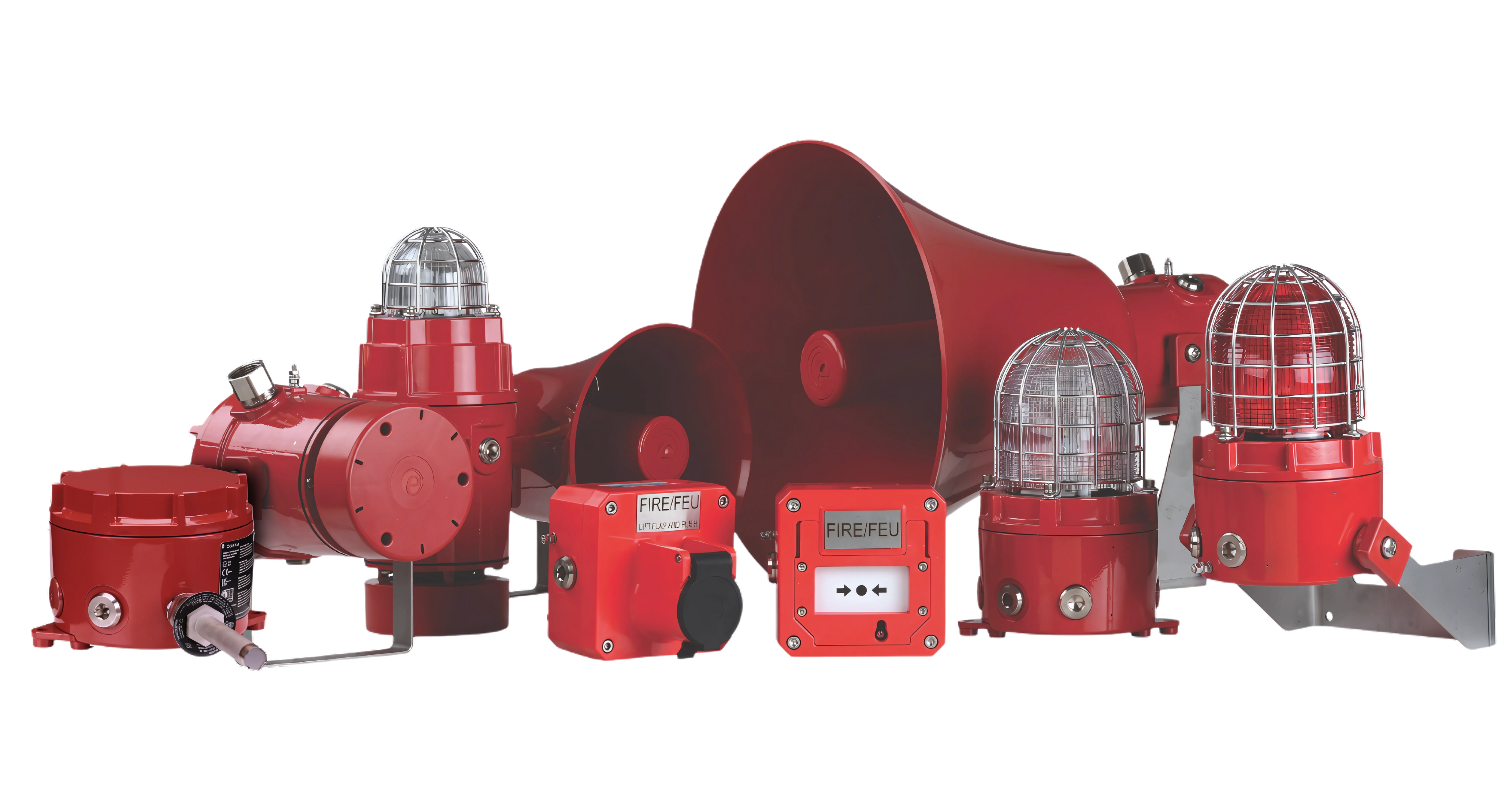
The E2S Warning Signals D1x range represents a continuously evolving portfolio of certified notification, initiation, and detection devices engineered for reliable operation in the most demanding hazardous, industrial, and marine environments.  Combining extensive global certification with advanced electronic design and marine-grade aluminium enclosures, the D1x family delivers hi-performance signalling and detection solutions with exceptional durability and operational integrity.  Devices within the range are approved for Zone 1 applications to ATEX/IECEx standards, and for Class I/II Division 1 locations to UL/cUL. Selected variants additionally carry approvals including EN54-23, DNV, MED/MER, UL1638, CAN/ULC-S526, and UL Marine.  Enabling global deployment across harsh and hazardous industrial, offshore, and maritime applications.

Integrated audible and visual notification
The D1xC1 and D1xC2 ranges combine hi-intensity audible and visual signaling in a single, factory-configured device, simplifying installation while maximising alarm effectiveness. Xenon strobe beacons are paired with either flare horn sounders or compact radial horns, the latter providing omni-directional sound coverage regardless of mounting orientation.

Strobe options include 5 and 10 Joules outputs delivering up to 260 effective Candelas with seven UV-stable, field-replaceable len colour options. Whilst sound output reaches up to 123dB(A) for hi-noise environments. Selected 24Vdc variants are approved for fire alarm applications. A threaded flame path, compact internal layout, and ratchet-adjustable stainless steel brackets improve serviceability, wiring access, and installation accuracy.

The D1xC1F series extends the range to fully certified explosion-proof public mode fire alarm solutions for Class I Division 1/2 and Zone 1 to UL/cUL installations. It includes 15W and 25W loudspeakers with 25/70V line transformers or hi-output alarm horns, combined with Xenon strobes up to 190 Candelas, with automatic synchronisation as standard. 

Standalone signalling, initiation and detection devices
The D1xB2 Xenon beacon range provides configurable outputs of 5, 10, 15, or 21 Joules, achieving peak light intensities of up to 1250 effective candelas. LED beacon variants are available for low-power applications.

D1xS alarm horn sounders are offered in both flare and radial configurations, supporting up to 64 selectable primary alarm tones via internal DIP switch configuration and sound levels of up to 128dB(A). Remote activation enables up to four alarm stages or channels. The D1xS1 24Vdc variants are certified for public mode fire alarm applications.

The D1xL loudspeaker series includes 15W and 25W models with both low-impedance and 70V line configurations. DNV type approval confirms suitability for offshore PAGA and fire voice alarm systems. High Q-factor transducers, controlled directivity, and factory-fitted line transformers ensure superior speech intelligibility in hi-ambient noise and corrosive marine environments.

The D1xCP1-PS manual call point is UL and UL Marine listed, SIL2 compliant, and rated to NEMA 4X, providing robust and reliable manual initiation in hazardous and corrosive conditions.

The D1xH1 heat detector range incorporates Detect-A-Fire® rate-compensated sensing technology within rugged marine-grade enclosures. Certified to ATEX/IECEx for Zones 0 and 1, and to UL/cUL for Class I/II Divisions 1 and 2, and SIL2 compliant to IEC 61508, these detectors deliver precise and dependable fire and over-temperature detection in critical environments.

A benchmark for hazardous area signalling

By integrating hi-output performance, global certification, and ruggedised construction, the D1x family establishes a reference standard for hazardous-area signalling devices.  From audible and visual notification to voice evacuation, manual initiation, and thermal detection, the D1x platform provides a scalable, compliant, and highly reliable safety solution for critical and harsh industrial applications where life safety and operational continuity are paramount.  Further information is available at www.e2s.com

EEMUA advocates for an update to the Pressure Systems Safety Regulations 2000

The Engineering Equipment and Materials Users Association (EEMUA) has written to the UK Government and the Health and Safety Executive (HSE) to raise concerns about the ongoing review of the Pressure Systems Safety Regulations 2000 (PSSR) under the Government’s Regulatory Action Plan.

In a letter sent to the sponsoring Minister of State with primary oversight of the HSE and the Chief Executive of the HSE, the Association, which represents many of the UK’s largest industrial operators across the power, chemical and petrochemical sectors, is seeking confirmation that its evidence has been considered as part of the regulatory review.

EEMUA highlights that major UK operators continue to identify shortcomings in the current regulatory framework, particularly around the recognition of modern inspection methodologies and the operational realities of complex industrial sites. According to the Association, these shortcomings risk limiting the UK’s ability to reduce administrative burden, adopt technology‑driven inspection approaches, and strengthen industrial competitiveness without compromising safety.

The letter draws attention to three priority areas for modernisation:

  • Greater alignment with risk‑based inspection (RBI) to reduce unnecessary invasive examinations and improve plant availability.
  • Reform of the 28‑day reporting requirement, which EEMUA says is impractical for large sites and can constrain detailed engineering assessments.
  • More flexible postponement provisions, allowing risk‑based decisions in exceptional circumstances to avoid unnecessary shutdowns.

The Association reiterated its willingness to meet with Government and HSE representatives to support a proportionate and modernised regulatory framework. A copy of EEMUA’s detailed position statement has been provided alongside the correspondence.

Pepperl+Fuchs Ident-Ex® 02: Advanced Scanning for Hazardous Areas

As numerous industrial sectors undergo digitalization, there is a growing trend toward automation, traceability, and paperless processes and workflows. Scanners are an important component of ERP, MES, and MMS systems and increasingly rely on 2D image processing such as QR codes, DataMatrix, or optical character recognition (OCR). This is where Pepperl+Fuchs comes in with the new Ident-Ex® 02 wireless reader and scanner, which is certified for use in Zone 1/21, Zone 2/22, and Class I, II.

Comprehensive scanner solution with innovative form factor

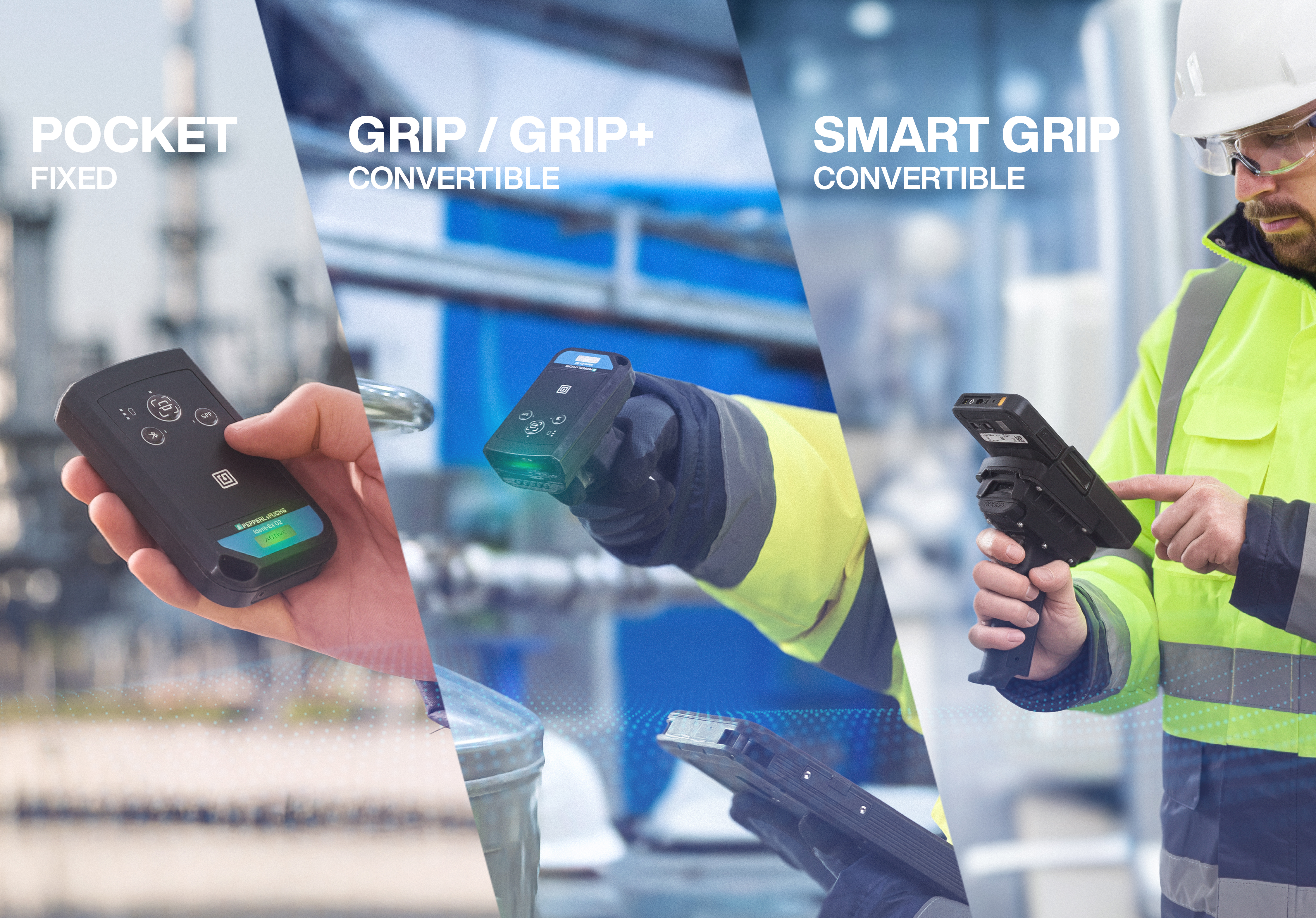
To meet a wide range of scanning requirements, the Ident-Ex® 02 is available in four different variants: Pocket, Grip, Grip+, and Smart Grip. The basis for all configurations is the Pocket version, a small, handy pocket-sized scanner – the lightest and smallest wireless barcode scanner for Zone 1/21 on the market. The Grip and Grip+ versions complement the compact Pocket scanner with an ergonomic pistol grip with magnetic and optional in-zone charging function.

With a matching cradle, the Grip variant can be combined and upgraded with the Smart-Ex® 03 and Smart-Ex® 203 smartphones to form a Smart Grip – for seamless and direct feedback during data collection and transmission to the smartphone display as part of the scanner. Since Bluetooth Classic and 5.4 LE are supported, this also applies to any other device that aligns with these standards. This interoperability makes the Ident-Ex® 02 a highly flexible and powerful scanner.

The 1430 mAh lithium-ion battery of the scanning unit offers sufficient capacity for a full shift and does not require an external power source. This, combined with its weight advantage, makes the Ident-Ex® 02 more flexible and easier to use.

All configurations can be easily charged via USB-C, the HMI variant Grip+ can even be charged within Zone 1/21 via the S3/S4 interface of the VisuNet GXP or within Zone 2/22 via the VisuNet FLX system. For added convenience, the Grip, Grip+, and Smart Grip variants can be charged using a magnetic charging cable. This saves additional costs, as no additional charging dock is required.

The Ident-Ex® 02 enables scans at distances of up to 10 meters (flex range version) or up to 25 meters (long range version) and supports all common 1D and 2D symbologies such as EAN-13, UPC-A, ISBN, Industrial 25, QR code, DataMatrix, and Maxicode.

Easily customizable

Developed and manufactured in Germany, the Ident-Ex® 02 offers customers the flexibility to respond to their needs and device portfolio. The grips and cradles can be exchanged or customized as desired without the need for additional service. Accessories available for the Ident-Ex® 02 Grip and Smart Grip include a leather holster, a universal docking station, and a magnetic charging cable.

With its ergonomic design and high accuracy, the Ident-Ex® 02 is ideal for intensive scanning tasks. In addition, the Ident-Ex® 02 has an integrated hardware aimer and can also read damaged or poorly printed barcodes. It also delivers excellent results in low-light conditions. This makes it suitable for even the most demanding scanning tasks.

Comprehensive solutions for a wide range of application scenarios

Pepperl+Fuchs offers a comprehensive portfolio of solutions to meet a wide range of Auto-ID application scenarios in the industrial sector. From simple scanning tasks that can be implemented with its own eBARCODE-ML app as a software solution, to a Scanner SnapOn module that can be attached to the Smart-Ex® 203, to the most demanding requirements in hazardous areas with the new Ident-Ex® 02: Pepperl+Fuchs solutions cover every conceivable scenario and can be customized to fit any application.

Are you interested in talking to a Pepperl+Fuchs expert? Please contact us via +49 89 211 871 73 or This email address is being protected from spambots. You need JavaScript enabled to view it.

The Misuse of Flameless Venting How to be Aware of Factors That Reduce Flameless Venting Efficiency

When an ignition source meets a combustible dust cloud within an enclosed space, such as in a dust collector, silo or bucket elevator, a devastating explosion may occur.

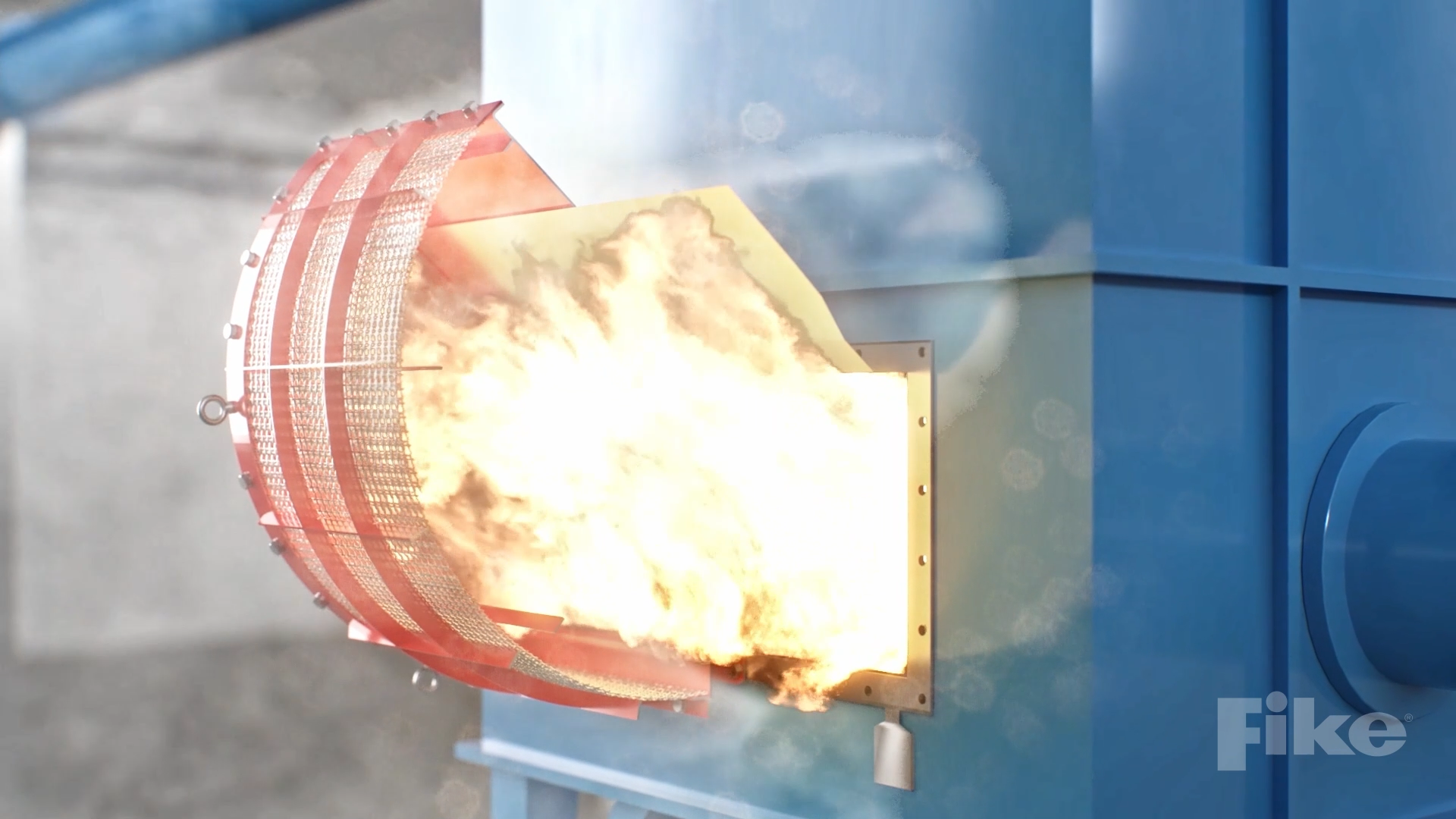
Explosion vents are often installed on these vessels to open and safely relieve pressure and flames.  When these applications are located indoors, “free venting” isn't possible and flameless venting devices may often be used instead. These devices include a flame arrester constructed of several layers of wire mesh to absorb the heat and keep flames from escaping.

How effectively a vent relieves pressure is referred to as its “venting efficiency,” which helps system designers determine the proper size and quantity of vents that are required to safely protect the process.  However, with flameless venting, a number of particles may clog the filter, which greatly reduces its venting efficiency.

This is why product clogging and several other variables must be included in the design of a flameless venting system. If this efficiency rating isn’t properly calculated for an application in which flameless vents are installed, they may not safely relieve the deflagration when called upon.

Essential Elements of Flameless Vent System Design

The performance of every flameless vent filter depends heavily on the unique characteristics of the burning dust cloud. Therefore, when designing a flameless venting system, an explosion protection provider should know the following about the application and its handled dust:

  1. PARTICLE SIZE: Various particle sizes may clog the filter slower or faster.
  2. PARTICLE MORPHOLOGY: Affects the rate of clogging as well as the size of aggregates that get blocked on the surface of the filter. For example, fibrous dusts may clog the filter in a different way versus melting dusts (such as sugar) or granular dusts.
  3. DUST CONCENTRATION: 250g/m3 in a certain volume will challenge a filter differently in comparison to 2000g/m3. In the second case, the filter may clog faster and it can even fail due to the increase in pressure.
  4. VESSEL GEOMETRY & IGNITION: In a long vessel, where ignition may occur at the bottom and the flameless venting system is installed at the top, flame will push the maximum amount of dust from the entire volume through the filter.
  5. VESSEL VOLUME: Each flameless venting size has a maximum process equipment volume where dust is dispersed and can be successfully quenched. Above that limit, flame quenching is not guaranteed due to the high thermal load.

Why is Efficiency Reduced in Flameless Venting Devices?

Flameless venting performance cannot be described by one efficiency number but rather must be disclosed through a complex model that considers all of the factors of the process and its handled dust 

For example, there is a possibility that a flameless venting device of a certain size performs very well under 500g/m3 of cornstarch, showing an efficiency of 70 percent, but clogs very quickly under 500g/m3 of wood flour, showing an efficiency of just 40 percent or lower.

If multiple factors are ignored and severe clogging occurs, there is a chance of the device failing and the vessel rupturing.

Why It Matters

Purchasers of flameless venting systems must understand that within these devices is a hidden, complex problem of fluid mechanics, including fluid- particle flow, the transferring heat and the releasing of pressure, all within milliseconds.

The application of such a device to mitigate an explosion requires more information than traditional venting.

Users need to be aware of the complexity and ask the correct questions with the aim to define the real performance of these devices to ensure that when they are called upon, they work as intended.

www.fike.com


ATEX in Context, Part 1 – Reframing the Foundation of Hazardous Area Compliance

ATEX has been part of the industrial safety landscape for more than two decades. For professionals working with hazardous areas, it’s familiar territory—equipment marking, zone classification, Ex certification. But familiarity can sometimes lead to oversimplification. And that’s where problems begin.

In 2013, ExVeritas published a guide to demystify the fundamentals of ATEX. The goal then was clarity—what the directives mean, how they apply, and where responsibilities lie. Ten years on, the core framework of ATEX remains intact, but the environment around it has evolved. Today, ATEX needs to be understood not in isolation, but as the foundation of a broader compliance system.

dci.jpeg

de1.jpeg

Why ATEX Still Matters

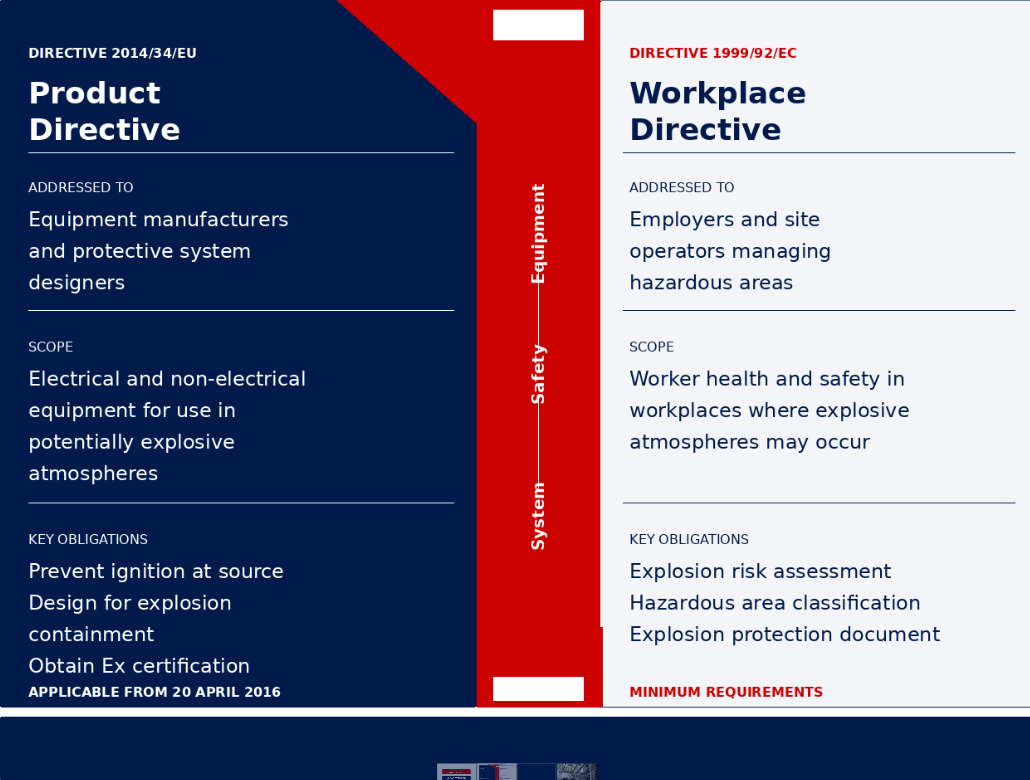
At its heart, ATEX is about managing the risks of explosive atmospheres. It does this through two complementary directives:

  • 2014/34/EU – for manufacturers, covering equipment design and certification
  • 1999/92/EC – for employers and site operators, covering safe use in the workplace

Together, they govern both the products used in hazardous areas and the environments they’re used in. One sets the baseline for safe equipment. The other sets expectations for safe operation.

In practice, however, these two parts are often treated separately. A site may buy certified equipment, only to install it in the wrong zone. Or zoning documents may not reflect real conditions on the plant floor. These aren’t minor errors—they’re points where compliance and safety can break down.

Two Directives, One Challenge

The issue isn’t with the directives themselves, but how narrowly they’re applied. ATEX draws a line between product and workplace responsibilities, but that line is rarely so clear in reality—especially in dynamic operations where conditions change and equipment evolves.

Certified equipment is only part of the story. To ensure long-term safety, it must be installed, maintained, and used correctly—supported by clear procedures, competent people, and responsive management systems. ATEX assumes this integration happens, but it’s often where gaps appear.

Hazardous Areas as Systems

Hazardous areas aren’t defined solely by equipment. They’re shaped by how people interact with processes and how risks are managed over time. Compliant equipment today might not be tomorrow if it’s modified, misused, or applied outside its intended use.

That's why ATEX is often misapplied as a product compliance checkbox. But both directives, covering equipment and workplace, require much more. True compliance involves:

  • Equipment lifecycle management
  • Zoning and documentation
  • Competence and procedural control
  • Ongoing inspection and verification

When these elements work together, ATEX becomes part of a living safety system—not just a certificate on file.

From Certification to Continuous Control

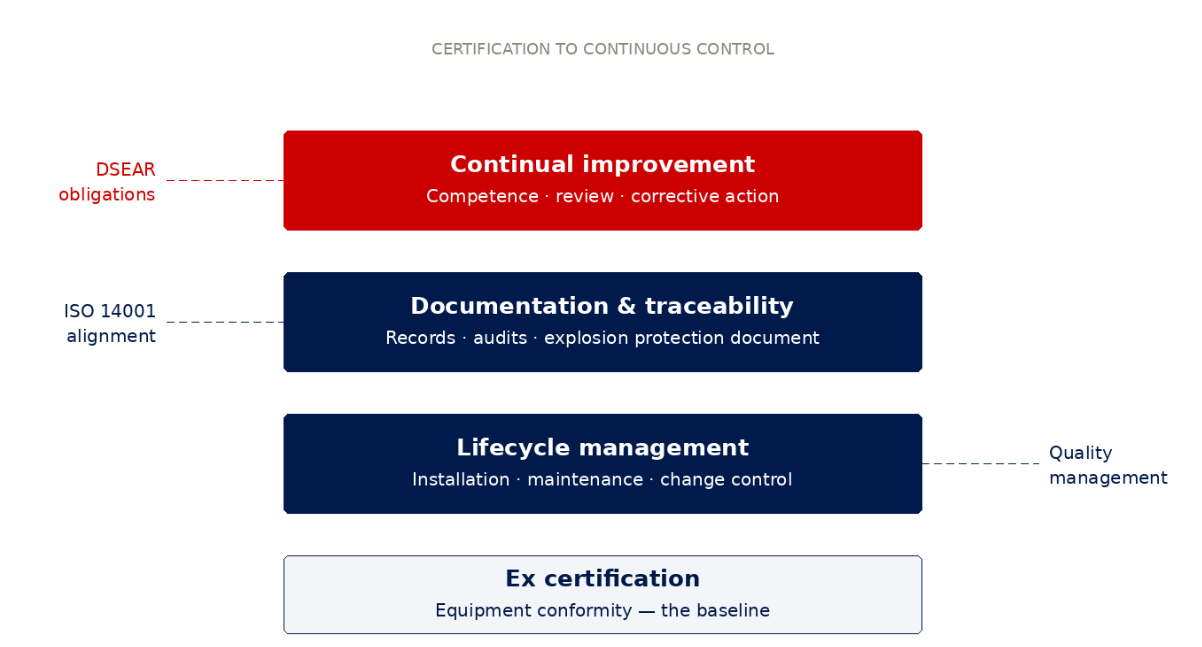
Today, ATEX intersects with broader obligations: DSEAR, ISO 14001, and quality management systems that demand traceability, change control, and continual improvement. Certified equipment is essential—but how it’s managed, maintained, and documented is what sustains compliance.

In Part 2, we’ll explore how ATEX fits into this wider ecosystem—and what good looks like when hazardous area compliance is embedded into quality, safety, and environmental governance.

Rethinking Device Lifecycles in Hazardous Areas

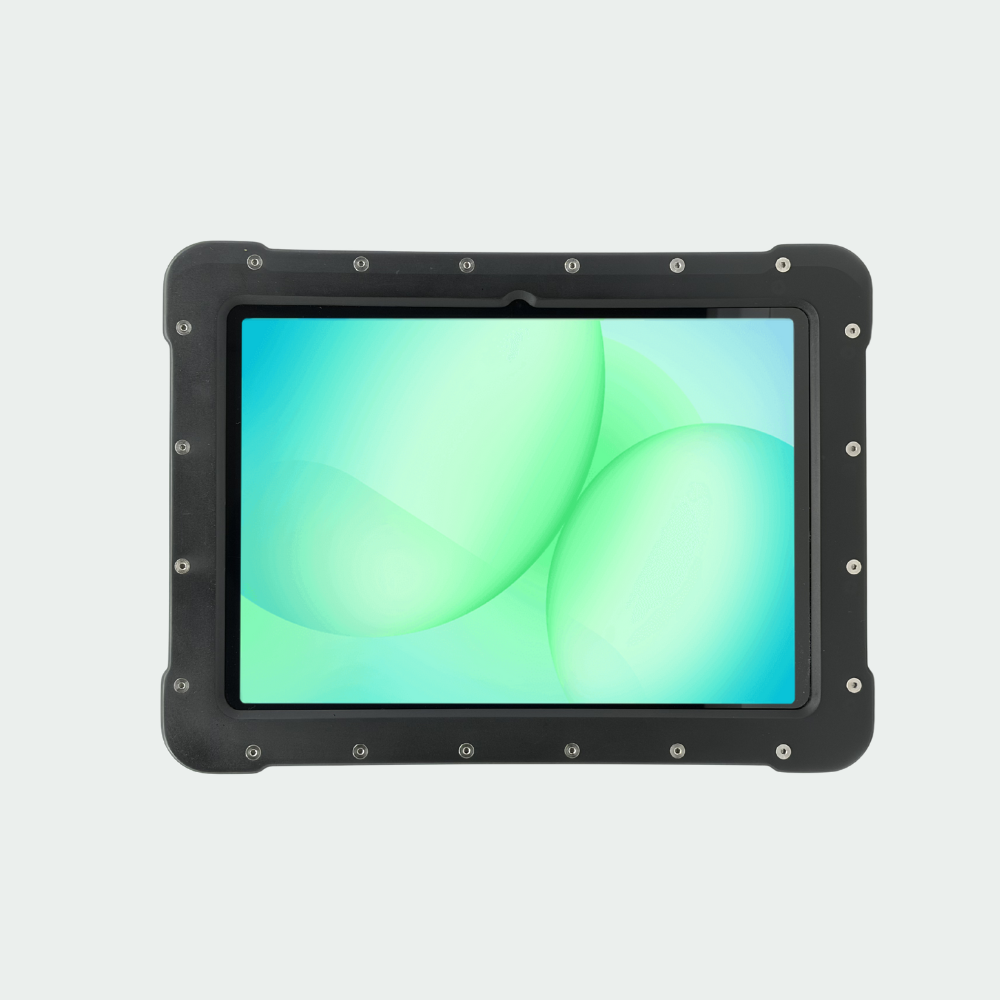
In hazardous areas, mobile devices are subject to strict certification requirements. This directly affects how equipment is selected and replaced. In practice, there are two common approaches. The first is fully certified Ex tablets. These are intrinsically safe devices where the certification is built into the hardware itself. The second approach uses standard consumer tablets combined with a dedicated explosion-proof enclosure. Despite their differences, both approaches share the same limitation. The device and the explosion protection are effectively locked together. When the hardware becomes outdated, underpowered, or unsupported, the entire solution must be replaced.

inlay system

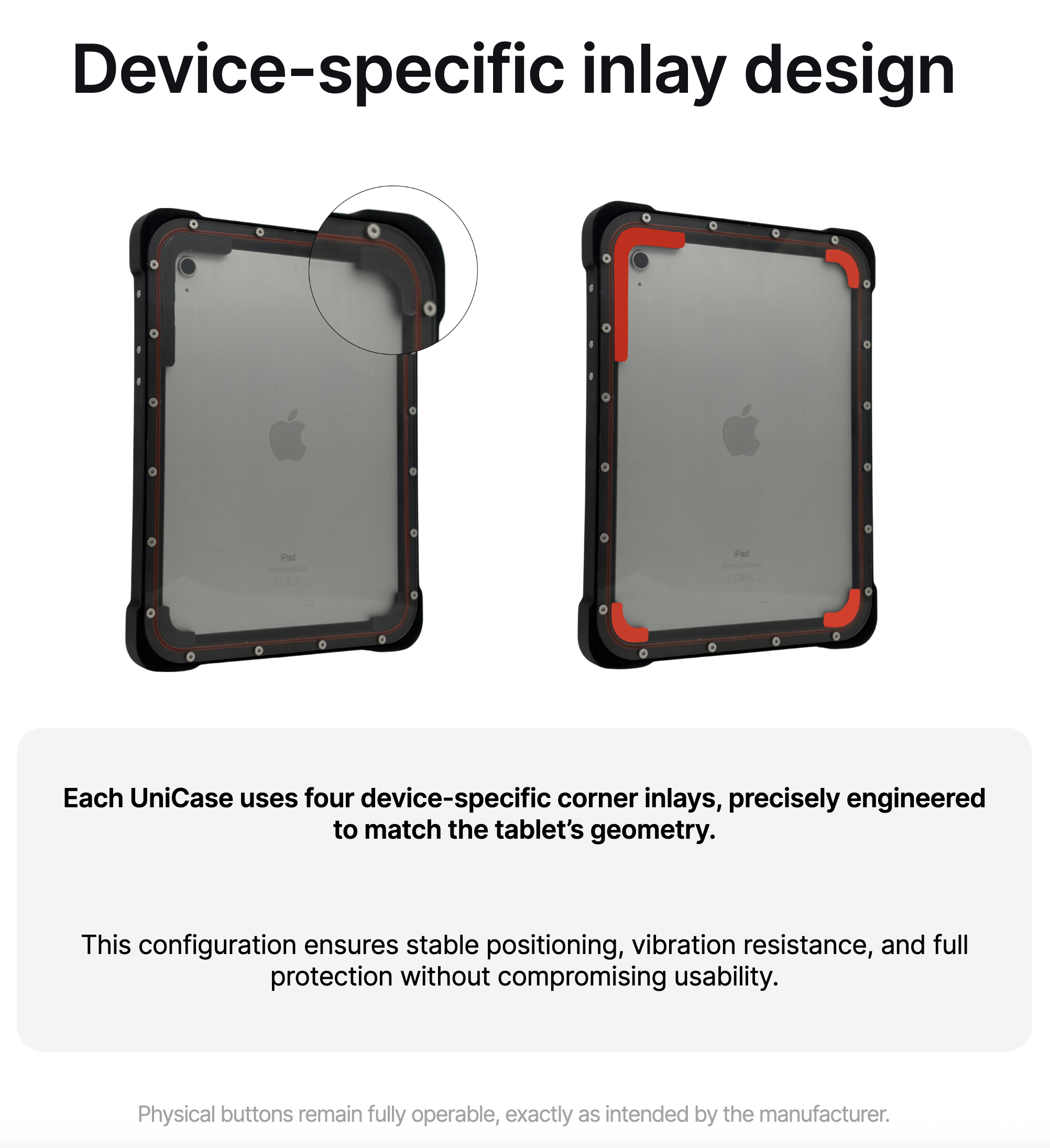
For Ex tablets, this is because the certification is tied to that specific device. You cannot upgrade internal components without invalidating certification. For consumer tablets with Ex housings, the enclosure is designed for one specific model. Once that tablet is ready for an upgrade, the enclosure can no longer be reused. In both cases, a hardware refresh results in full replacement, including components that are still mechanically sound.

A More Sustainable Approach A more sustainable model separates the device from the explosion protection. Instead of treating them as a single unit, they become modular components. In this setup, the enclosure remains a long-term asset, while the tablet inside can be upgraded independently. This allows companies to follow standard IT lifecycles without replacing the certified housing each time.

It also removes a common bottleneck. With traditional Ex devices, users often have to wait for new certified models to access updated technology. A modular approach allows immediate use of newer consumer hardware, without being dependent on certification cycles. The result is a system that is both more flexible and more aligned with modern expectations around sustainability and cost control.

A Universal Modular Solution The UniCase by Armadex is built around this modular principle. Instead of being tied to a single device, the enclosure is designed to work with multiple tablet models through an interchangeable inlay system. The outer housing remains unchanged, while the inlays are tailored to a specific device. Buttons, touchscreen, cameras, and microphones can be used as intended, without compromising usability.

When upgrading to a new tablet, only the inlay and the device are replaced. The enclosure itself is reused. This approach decouples the lifecycle of the ATEX tablet enclosure from that of the device, while maintaining full operational functionality in the field. Looking Ahead As industries place more emphasis on sustainability and efficiency, the way equipment is designed and managed becomes increasingly important.

A modular system allows companies to reduce waste by reusing durable components. It also avoids repeated investment in certified housings, which is the most expensive part of the solution. At the same time, it ensures access to the latest technology. Devices can be upgraded when needed, without waiting for new certified variants or replacing the entire setup. In hazardous environments, where reliability and compliance are essential, this approach provides a more balanced model. It supports long-term use of costly certified equipment while enabling continuous technological improvement.