
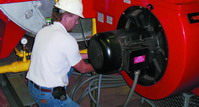
 Leading maintenance repair and operation (M.R.O.) organizations are leveraging a range of best practices for optimal asset performance. Such methods encompass maintenance best practices that drive efficiencies and equipment life cycles, as well as cost-cutting ideas from allied industries like field services.
Efficiently run field service teams have, for years, used and benefited from automated scheduling applications that deliver the right service tech to the right location at the lowest cost. They have cut wasteful travel and duplicate visit expenses to complete more service calls that better serve their customers and extend asset life.
Conversely, asset managers are well aware that more work order information and background, with more details, in the hands of technicians at the point-of-performance is a key productivity driver that means improved equipment performance. Data captures reported electronically also are driving better decision-making by management, in addition to fueling accurate and timely compliance reporting.
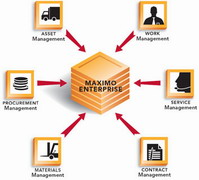 Make more of your assets
 The Reinhardt-Technik range of
 The new Bekomat 31/32 condensate drains made by Beko Technologies now consist of only two element groups. Thanks to their novel construction principle, complete maintenance can be carried out with one single movement.
 Risk Based Inspection (RBI) is a method for using risk as a basis for managing an inspection programme. The concept of risk is used to target inspection and maintenance resources at areas of the plant where they can have the greatest effect in reducing risk, the occurrence and consequences of unplanned failures and to reduce the cost of unproductive inspections. Risk is a function of both the likelihood of a failure and the consequences of the
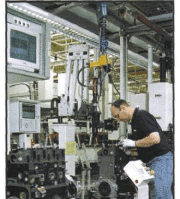 Long term specialist commitment to computerised asset and works management systems have enabled Rapier to develop close working relationships with clients from across all industries. With over a decade of consistently delivering cost effective solutions, Rapier has the enviable reputation as a reliable partner in the provision of asset and work related software. In a market place now saturated with short term package solutions, Rapier provides the strategic alternative - a 'future-proof information resource.
 Sovereign Lubricants & Seals (who have been exclusive UK distributors for the OMEGA range of quality lubricants for over 20 years) have entered a partnership with Printing Solutions (Midlands) Ltd who will become OMEGA stockists and provide lubrication solutions for all customers in the printing and packaging industry running Heidelberg presses in the Midlands area.
 Wherever metal parts are in contact with each other, friction will result. Superior lubrication and sealing is paramount in today