Find ATEX, IECEx, Explosion Protection & Hazardous Area Content...

News

"Bureau Veritas' NEMS: Advanced Noise Management for High-Risk Industries"

In challenging industrial environments, effective noise management is crucial for worker safety and regulatory compliance. Bureau Veritas, a global leader in testing, inspection, and certification services, has developed an innovative solution to address this critical need: the Noise Exposure Management System (NEMS).

NEMS: A Comprehensive Approach to Noise Management

NEMS is a proprietary, comprehensive management system developed and offered exclusively by Bureau Veritas. It provides a systematic approach to noise management, ensuring consistency and effective comparability in determining noise risk across industries. While initially developed for the oil and gas sector, NEMS can be deployed across any industry where there are high-risk noise areas.

The system has become so widely adopted that it is now considered the industry standard for risk assessment of occupational noise by the UK Health and Safety Executive (HSE).

Key Features of NEMS:

  1. Exposure Level Calculation: NEMS accurately calculates noise exposure levels for the workforce, identifying areas or tasks that contribute most significantly to noise exposures.
  2. Targeted Risk Reduction: By pinpointing the highest contributing areas to people's noise exposure, NEMS allows for a targeted approach to implementing noise control measures.
  3. Compliance Monitoring: The system provides recording facilities for assessing ongoing compliance and demonstrates commitment to reducing noise exposure.
  4. Key Performance Indicators: NEMS results can be used to quantify KPIs related to noise exposure risk.
  5. Adaptability: As a live and evolving system, NEMS can easily incorporate new areas, trades, and work patterns, ensuring the risk assessment remains up-to-date.

Practical Applications and Benefits

NEMS offers a range of practical benefits for industries dealing with high noise levels:

ns.jpeg

NEMS Output

The system provides valuable outputs, including:

  1. Area Ranking Scores: Determines the highest contributing areas to people's noise exposure, helping prioritize noise control efforts.
  2. Personnel Noise Exposure: Predicts individual noise exposure based on measured levels and work patterns, ensuring appropriate categorization under relevant legislation.
  3. Detailed Noise Exposure Information: Helps manage workforce exposure by clearly indicating action value groups and contributing areas.
  4. Log Sheet: Automatically tracks updates, calculates new KPIs, and plots graphs showing Asset Score and number of lower and upper action value cases over time.

Industry-Wide Adoption

The effectiveness of NEMS is evidenced by its widespread adoption. The large majority of oil and gas assets located onshore and offshore within the UK currently operate Bureau Veritas' NEMS. The client list includes major players in the industry such as BP, Shell, Total, Apache North Sea, and many others across various sectors.

Compliance and Expertise

Bureau Veritas' Acoustics and Vibration team, a specialist division, has extensive experience providing noise management services to the Oil & Gas sector across both UK continental shelf waters and worldwide. Their expertise ensures that NEMS not only calculates exposure levels but also helps clients achieve compliance with the Control of Noise at Work Regulations.

Conclusion

As industries strive to create safer work environments, especially in high-risk sectors, solutions like Bureau Veritas' NEMS play a crucial role. By providing a comprehensive, adaptable, and widely-recognized system for noise management, NEMS helps companies across various industries protect their workforce, comply with regulations, and demonstrate their commitment to occupational health and safety.

spw.jpeg


g3.jpeg

Future-Ready Breathing Protection: Addressing Modern Industrial Safety Challenges

Worker health and safety are critical in the modern industrial landscape. Industries from manufacturing to chemical processing, mining, and beyond present unique and varied hazards to employees. As these sectors evolve, so do the complexities of their associated risks and the need for more advanced breathing protection solutions for workers.

Despite thorough regulations and safety protocols across the region, several challenges persist in safeguarding industrial workers. Many facilities still rely on legacy safety apparatus that may not meet current standards or be effective against modern hazards. Such equipment can be cumbersome, reducing worker mobility and efficiency and lacking integration with contemporary safety technologies.

The absence of systems that provide real-time feedback on environmental conditions and worker health can hinder proactive hazard management. Without the correct data, it's difficult to identify and respond to emerging threats, resulting in delayed and reactive interventions. In the ideal scenario, safety teams can detect and address risks before they escalate to improve safety and reduce downtime.

How M1 SCBA Meets These Needs

The M1 SCBA by MSA Safety is a forward-thinking approach to industrial safety and breathing protection. Its customisable design allows for easy adjustments and upgrades, helping to improve safety standards without the need for complete overhauls. Constructed with chemical-resistant materials, it provides a robust barrier against hazardous substances, assisting workers in staying shielded from exposure.

Equipped with integrated monitoring capabilities, the M1 SCBA also facilitates real-time tracking of environmental conditions and equipment performance. It empowers safety teams with actionable data, enhancing situational awareness and response times.

Furthermore, the lightweight design distributes weight evenly to help reduce physical strain. Each component is designed for easy disassembly and cleaning, promoting better hygiene practices and extending the equipment's lifespan.

Discover how M1 SCBA can transform your safety protocols: link.


Putting the Europe back in Offshore Europe for 2025

By David Whitehouse, SPE Offshore Europe 2025 Executive Committee Chair
and Chief Executive, Offshore Energies UK

March 2025

As extraordinary as it sounds, it will soon be two years since tens of thousands of us congregated in Aberdeen for the premier show for offshore energy in Europe, which can only mean one thing – SPE Offshore Europe 2025 (OE25) is now firmly on the horizon. Building on what was the first in-person Offshore Europe since the Covid-19 pandemic, OE25 will return to the Granite City in September, bringing with it the challenge of ‘Unlocking Europe’s Potential in Offshore Energy’.

As we look ahead to September, it is the early months of 2025 that will shape the future of the nation’s offshore energy sector and the country’s economic and climate goals to come. Yet, our industry is part of an international community - which shares the challenge of finding ways to deliver cleaner energy in the future.

We are committed to ensuring that OE25 is seen as a success not only for industry, but for Aberdeen, Scotland and the UK. It is a jewel in the crown to have such a prestigious long standing European energy conference in this country and in this city. It is a reminder of the skills, talent and expertise of our 200,000 hard-working people and the world class offshore energy industry including operators, developers and our world-class supply chain.

Planning for OE25 is well underway, with expectations rapidly growing for what promises to be the largest and most significant European energy event of the year. With exceptional executive and technical programme committees guiding the agenda, the conference is set to be a platform for crucial discussions, innovation, and collaboration within the offshore energy sector.

The conference’s opening plenary is taking shape, as are twelve strategic panel sessions. Embracing a mix of traditional engagements and dynamic new formats, they promise an engaging and thought-provoking experience for attendees. This year, we’re also introducing a series of fireside chats, offering insightful and honest conversations with high-profile guests.

A key commitment for the executive committee is to ensure diverse and inclusive voices are heard at every session. In this vein we’re creating opportunities for young professionals to gain valuable experience as panellists, speakers or moderators throughout the event. Building connections with future talent is always a priority for OE, and this year we’ll be holding daily events for school pupils, university students, young professionals and new entrants.

Running alongside the strategic sessions is a robust technical programme drawn from 600 submitted abstracts. This marks the highest number of submissions since recent records began, and is indicative of the growing excitement and engagement within the industry to shape the future of offshore energy.

In the weeks that follow, the final programme of sessions will come into focus, showcasing the expertise that will be on show at OE25, reinforcing the conference’s position as the must-attend event in Europe this year.

Broadening the focus

A deliberate shift in theme this year is to place Europe right at the heart of Offshore Europe to emphasise the event’s international credentials and its relevance to sector professionals from across the continent. Offshore energy isn’t confined to the North Sea; it is a vital sector that touches all walks of life. We are working to ensure the opening plenary and panel sessions reflect this and feature diverse voices from across Europe to foster a truly collaborative approach. OE25 will serve as a forum for industry leaders from various nations to exchange knowledge and best practices, ensuring the sector utilises our shared resources and evolves in a way that benefits all stakeholders. 

Keynote speakers will provide insights into how different European countries are managing their energy transitions, offering valuable comparative perspectives, and how different governments are approaching the complex issue of energy security.

We want to move OE25 beyond standard industry rhetoric and into meaningful, action-driven debate. This is an opportunity for engaged discussions at a critical time for the global energy landscape and, in this vein, we want to welcome diverse viewpoints - including those who challenge the role of oil and gas in the energy transition. 

A conference of growth, not decline

We often hear that the UK offshore energy sector is one in decline. I couldn’t disagree more, and OE25 will seek to challenge this perception. Instead of retreating, the show is evolving into an all-encompassing energy event, reflecting the industry’s transformation. Offshore energy is not just about oil and gas - it includes emerging technologies like renewables including offshore wind, hydrogen and carbon capture and storage, and new business models that will define the future. Indeed, one of the most pressing themes of OE25 will be the transition from discussion to action.

While supply chain opportunities in the energy transition have been widely touted, we need more tangible delivery. The conference will explore how to move from rhetoric to real-world implementation, addressing crucial issues like supply chain development and the necessary investment in manufacturing capabilities.

A major focus will also be placed on carbon storage, a topic that has long been in discussion but one that now needs to make progress toward implementation. The conference will provide platforms for industry leaders to demonstrate how carbon storage can become commercially viable, ensuring that costs are driven down and solutions are scalable.

Reigniting optimism in offshore energy

It is an important time for the UK’s oil and gas industry. Decisions made in the coming months, in the run up to OE25, will not only shape the North Sea’s future but also profoundly impact jobs, communities, and companies across Europe. That presents us with a unique opportunity to use OE25 as a catalyst for change; to spotlight emerging opportunities, generate momentum for innovation and reframe the conversation surrounding our future energy.

We are an industry which will provide solutions to some of the biggest opportunities and challenges faced by the country while supporting economic growth and net zero by safely delivering secure supplies of homegrown oil, gas, wind and in the future hydrogen, alongside CCUS.

OE25 will serve as more than just a conference and exhibition; it will be a rallying point for industry leaders, policymakers, and innovators to collaborate on solutions that will define our industry’s trajectory for years to come.

Ultimately, OE25 will be about reigniting confidence in the North Sea energy sector, primarily in the UK, but with an eye on the rest of Europe. By fostering international collaboration, encouraging open debate, and pushing for actionable solutions, we will reaffirm Aberdeen’s place at the heart of the energy industry and shine a light on our sector, its proud history, and its future.

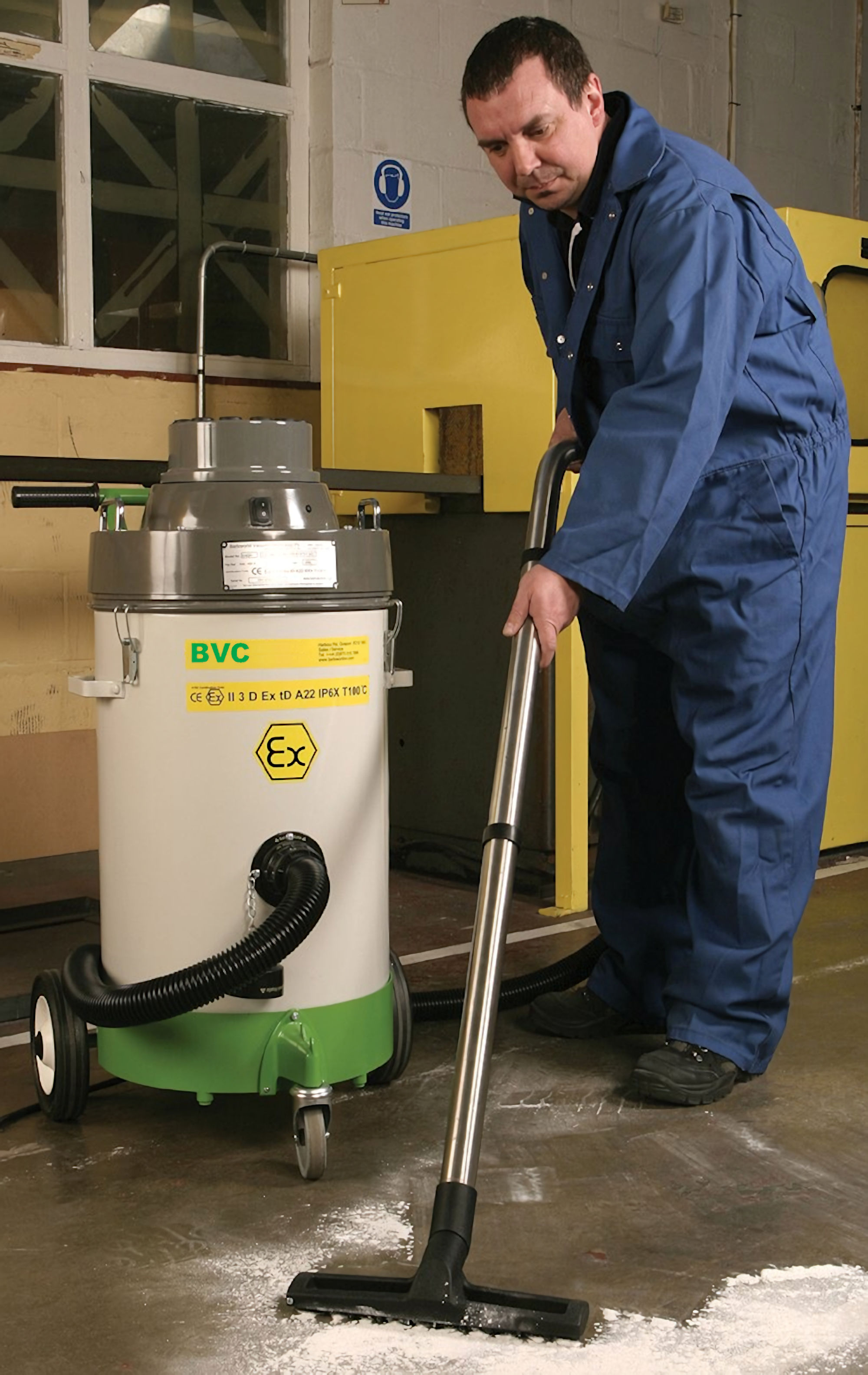
BVC Industrial Vacuum Cleaners for ATEX zones and Hazardous Dusts

Hazards from dusts and spilled product fall into two distinct categories; the first is dusts that are hazardous to health. This category includes obvious products like asbestos and silica dust, but any dust that can be breathed in by the operator or other personnel in the workplace is likely to be hazardous to health to a degree. Industrial Vacuum Cleaners with M-Class and H-Class filtration ensures hazardous dusts are appropriately handled when being recovered.

The second category is dusts that are hazardous in the environment. The obvious category is dusts that can potentially cause an explosive atmosphere, particularly organic products like sugar and flour. Some products fall in to both categories such as wood dusts, which are both hazardous to health and potentially explosive. ATEX rated Industrial Vacuum Cleaners must be specified for use in ATEX zones.

Selecting an appropriate Industrial Vacuum Cleaner requires careful consideration of the potential hazards which then informs the specification of the machine. BVC – British Vacuum Cleaners is the leading brand of British manufactured industrial vacuum cleaners. Manufactured by Quirepace in Fareham, Hampshire the range includes both M-Class and H-Class machines for dusts hazardous to health and ATEX rated equipment suitable to operate in potentially explosive atmospheres.

Quirepace’s extensive knowledge combined with our experienced sales team, UK manufacture, and local service and spares support, means that BVC UK manufactured Industrial Vacuum Cleaners, with their 5-year parts warranty, deliver excellent durability and value for money in the industrial environment.

In addition to portable equipment, Quirepace also design and install fixed installations for Central Vacuum Cleaning, where multiple outlets are served by central plant through a network of fixed pipework.

Contact us today to arrange an initial consultation meeting.

www.quirepace.co.uk www.bvc.co.uk
This email address is being protected from spambots. You need JavaScript enabled to view it.
023 9260 3700

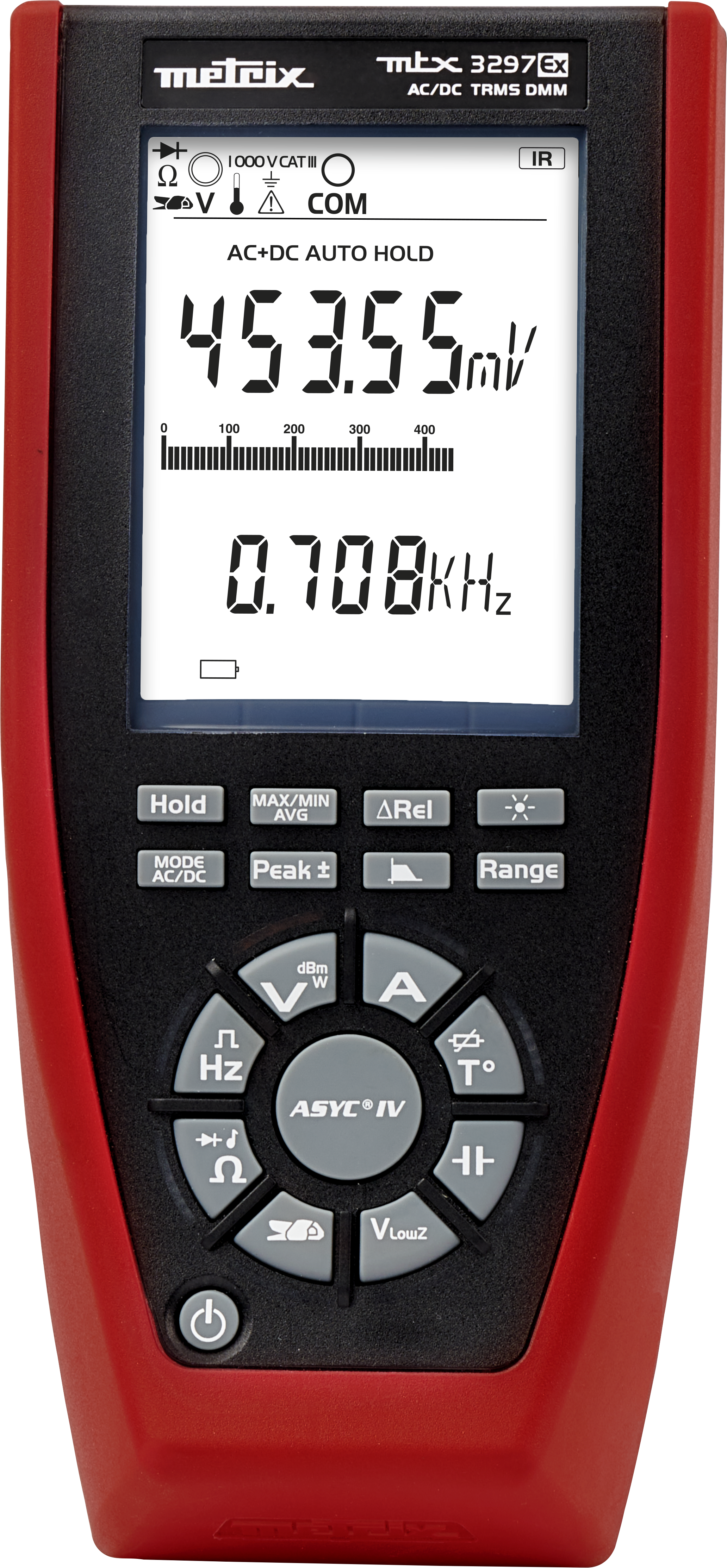
MTX3297Ex Intrinsically Safe Digital Multimeter for Explosive Atmospheres

Chauvin Arnoux is delighted to introduce the new MTX3297Ex, an intrinsically safe digital multimeter specifically designed for continuous use in hazardous and explosive environments. This robust, ergonomic, and highly accurate instrument delivers exceptional industrial performance, ensuring measurement reliability, enhanced electrical safety, and increased productivity.

Designed for ATEX/IEC Ex environments, the MTX3297Ex is certified for the highest levels of risk and classified as a Category 1 instrument and meets the most stringent safety requirements.

The MTX3297Ex carries the prestigious ATEX certification, which is recognised across the EU region, and is also IEC Ex-certified, affirming its compliance with essential safety standards. Designed for versatility, the MTX3297Ex is certified for use in gas zones IIC (0, 1, 2), dust zones IIIC (20, 21, 22), and mining zones M1.

This allows the device to be safely operated in a wide range of sectors, including oil, chemical, pharmaceutical, and mining industries. In addition to its capabilities in explosive environments, the MTX3297Ex delivers high performance outside of these zones while complying with the IEC Ex 61010-2-033 standard for measurements up to 1000V CAT III and 600V CAT IV.

This makes it an invaluable instrument for industrial applications, even in non-hazardous areas. The MTX3297Ex offers unparalleled efficiency, combining versatility, precision, and reliability to simplify electrical troubleshooting and industrial maintenance tasks across all sectors. With the MTX3297Ex, Chauvin Arnoux continues to set the standard for safety, performance, and innovation.

Learn more or request a customised quote: cauk.tv/product-mtx-3297-ex/

Chauvin Arnoux

 MTX 1200 x 150

Explosive Atmospheres 101 – Part 2

Selecting Ex Concepts of Protection

The Explosive Atmospheres market is both lucrative and expanding, but certification requirements—and the level of scrutiny by both buyers and regulatory authorities—are increasing. To access this market, it is imperative that equipment manufacturers understand the specific design, manufacturing, and certification requirements for their products.

When a ‘Zone’ has been established, special precautions must be taken by the manufacturer to reduce the likelihood of ignition to an acceptable level—and, where necessary, use mitigation measures to reduce the consequences of an explosion. These special methods are typically achieved by applying defined EX concepts from published standards and usually require specially designed products. The ‘a’, ‘b’, and ‘c’ designations after the protection concept indicate the level of protection:

a = Zone 0/20

b = Zone 1/21

c = Zone 2/22

Selecting the correct concept (or often, a combination of concepts) is critical before any design or development takes place.

Examples of Commonly Recognised Ex Concepts of Protection

FLAMEPROOF: Ex da, db or dc

A method of protection where the equipment is contained within an enclosure capable of withstanding an internal explosion of a flammable gas or vapour without damage, and without transmitting the internal flame to the external explosive atmosphere through any joints or structural openings.

INTRINSIC SAFETY: Ex ia, ib or ic

A protection technique based on limiting the electrical energy within the apparatus and interconnecting wiring exposed to an explosive atmosphere to a level below that which can cause ignition—either by sparking or heating effects.

PRESSURISATION: Ex pxb, pyb or pzc

A method of protection using pressurised protective gas to prevent the ingress of an explosive atmosphere into a space that may contain an ignition source. If necessary, it includes continuous dilution of any atmosphere within that space that might contain an emission source.

INCREASED SAFETY: Ex eb or ec

A method of protection in which additional measures are applied to electrical apparatus to provide increased security against excessive temperatures, arcs, and sparks during operation.

LIQUID IMMERSION: Ex ob or oc

A method of protection where electrical apparatus is made safe by oil immersion, preventing ignition of an explosive atmosphere either above the oil or outside the enclosure. The oil acts as a barrier between the explosive atmosphere and the electrical components.

POWDER FILLING: Ex qb or qc

A method of protection where the enclosure is filled with granular material, so that if an arc occurs, it is unlikely to ignite the external explosive atmosphere.

ENCAPSULATION: Ex ma, mb or mc

A method of protection in which components that could cause ignition by sparking or heating are enclosed in a compound, preventing any contact with the explosive atmosphere.

NON-INCENDIVE: Ex nC or nR

A type of protection applied to electrical apparatus such that, under normal operation, it cannot ignite a surrounding explosive atmosphere—and any fault capable of causing ignition is unlikely to occur.

In addition to these commonly used electrical concepts, there are also protection methods for:

  • Non-electrical equipment (Ex h)
  • Optical equipment (Ex op is, op sh, and op pr)
  • Dust-only atmospheres (Ex ta, tb, and tc)

Where no standard concept is suitable (which is very rare), special protection may be used (Ex sa, sb, and sc). However, this is a complex and challenging process.

Sean Clarke CEng MSc FIET is the General Manager of ExVeritas are a UK Government Appointed Body for UKCA ‘Ex’, an ATEX Notified Body and an IECEx Certification Body and Test Laboratory, ExVeritas offers design reviews to help determine which protection concepts are feasible for your equipment and training courses for equipment designers. www.exveritas.com for more information.

PFAS: TÜV Rheinland expands global testing capabilities

Demand for PFAS testing at TÜV Rheinland has increased globally by more than 30 percent / Chemical restrictions require a great deal of development and testing effort from manufacturers and distributors / TÜV Rheinland offers companies precise product analysis and support in implementing legal requirements / www.tuv.com/pfas

TÜV Rheinland is expanding its testing capacity worldwide to meet the growing global demand for testing services for per- and polyfluoroalkyl substances (PFAS). The testing services provider has seen demand increase by more than 30 per cent year-on-year. PFAS, a group of more than 10,000 known substances, are used in many industries for their functional properties, including textiles, food packaging, furniture and carpet fabrics, as well as mechanical and automotive engineering. However, their potential risk to the environment and human health is increasingly the focus of regulatory and public attention.

The chemical ban on PFAS in many countries in the world poses new challenges for manufacturers and retailers and requires a lot of development and testing. Companies that manufacture, trade or import products will need to monitor and reduce PFAS. TÜV Rheinland is helping companies prepare for changes in legislation by providing accurate chemical analysis. "This enables companies to adapt to changes in the legal situation at an early stage, establish responsible action as a quality feature and thus remain competitive," explains Steffen Tümptner, an expert at TÜV Rheinland.

PFAS in industry – further restrictions on the horizon

In the EU, several classes of PFAS are already subject to restrictions, for example under the REACH and POP regulations. In September 2024, EU Regulation 2024/2462 was adopted, which will phase in bans on PFHxA (C6 PFAS) in certain applications over a five-year period. This includes a ban on PFAS in clothing, footwear, paper and board in contact with food and in cosmetics from October 2026. From October 2027, the ban will be extended to other textiles and leather products. European authorities are currently considering further restrictions that could cover more and more PFAS in the long term. The US authorities are also taking far-reaching action to restrict PFAS at the national level. In April 2024, the

US Environmental Protection Agency (EPA) issued nationwide limits for six groups of substances in tap water, making them among the strictest in the world.

Accurate analysis and expert advice from TÜV Rheinland

TÜV Rheinland's testing packages, training and on-site audits provide the tools needed to analyse products, find suitable alternatives and ensure more sustainable production. More information on PFAS for interested parties and companies is available at: www.tuv.com/pfas

TÜV Rheinland has been involved in chemical testing and certification for several decades and now employs more than 500 specialists worldwide to minimize technical and quality risks. TÜV Rheinland's experts conduct more than a hundred thousand chemical tests around the world every year, enabling access to international markets through testing and certification. The experts develop new testing procedures, work on research and development projects, and collaborate with standardization committees. With the constant flow of new scientific discoveries, the demand for chemical testing has also increased in recent years. As a leading provider of testing services for chemicals, TÜV Rheinland operates laboratories in Bangladesh, China, Germany, India, Turkey, the United States, and Vietnam, among other countries.

TÜV Rheinland stands for safety and quality in virtually all areas of business and life. The company has been operating for more than 150 years and ranks among the world’s leading testing service providers. It has more than 22,000 employees in over 50 countries and generates annual revenues of more than 2.4 billion euros. TÜV Rheinland’s highly qualified experts test technical systems and products around the world, support innovations in technology and business, train people in numerous professions and certify management systems according to international standards. In doing so, the independent experts generate trust in products as well as processes across global value-adding chains and the flow of commodities. Since 2006, TÜV Rheinland has been a member of the United Nations Global Compact to promote sustainability and combat corruption. Website: www.tuv.com

Draeger UK secures contract extension with INEOS O&P UK, Grangemouth

Draeger Safety UK Ltd, a global leader in the field of safety technology headquartered in Blyth in North East England, has secured a contract extension with INEOS O&P UK.

A direct continuation of the existing work scope, the indirect services agreement, which will run until 2029, covers the provision and maintenance of Portable Gas Detection and Rental Robot services to support the company’s operations.

Draeger UK has been working with INEOS O&P UK since 2018, supplying safety critical services and helping to maintain the company’s operations.

Under the updated agreement, Draeger UK will supply new products for use at the site, including ConHub for the individual monitoring of personnel on site, with visibility of real time gas readings.

Also due to be introduced is INARA, Draeger UK’s new digital safety guard which can monitor multiple work sites and ensure available equipment is quickly deployed, thereby eliminating the need for personnel to be on site.

Matthew Bedford, Managing Director - Sales & Service Division, Draeger UK, said: "This contract extension with INEOS O&P UK is a testament to Draeger UK’s reputation as the first choice for companies seeking to prioritise safety and innovation.

“By continuing our collaboration with INEOS O&P UK , we demonstrate our ability to deliver cutting-edge safety solutions that drive operational efficiency and protect personnel in the petrochemical sector.

“This agreement not only strengthens our long-standing partnership with INEOS but also positions us to enhance our footprint throughout the UK. By leveraging our proven expertise and advanced technology to support other critical sites and operations, we are further solidifying Draeger UK’s role as a trusted leader in safety technology on a global scale."

Draeger UK developed the Rental Robot – an automated ‘vending’ and equipment dispensing system – to store and track the usage of wearables such as personal gas detection monitors, breathing apparatus and other associated equipment, which must be regularly tested and serviced to ensure their reliability.

After training, personnel are issued a barcode on their site access pass which allows them to collect their gas detection equipment from the system as part of their mobilisation to a worksite.

Based on stored user information, the system will identify which products the employee may require, displaying them on an intuitive touchscreen. It will then dispense only the products they are trained in or certified to use from the list.

The system also processes returns. An analysis of items such as usage data, damage or other issues can be provided to INEOS Health and Safety or procurement colleagues, giving them an overview of cost saving and an auditable trail of the equipment used by their employees and contractors.

www.draeger.com 

PEP500 by Peppers Cable Glands – Defining Excellence, Reinforcing Trust

With a legacy spanning over seventy-five years, Peppers has built a reputation for quality, innovation, and integrity. Over time, the company has honed its focus and emerged as a leader in the cable glands and accessories sector. Today, Peppers is trusted by industries worldwide for its long-standing commitment to quality and service, providing cable gland solutions that meet the highest standards.

The introduction of PEP500 is an acknowledgment of what Peppers has always done – it is neither a radical new initiative nor a change in service. Instead PEP500 formally reinforces Peppers Cable Glands’ unwavering commitment to quality.

PEP500 represents Peppers’ own internal quality benchmark, highlighting the meticulous standards and time-tested, efficient processes that have defined the Peppers’ name for over three quarters of a century. By giving a name to these long-established principles, Peppers provides customers with a visible framework that underscores its dedication to reliability, precision and performance.

At the heart of Peppers’ success are its products - whether for everyday functionality to pushing the boundaries of innovation, each one is made with the same meticulous attention to quality and precision that PEP500 epitomises.

PEP500 is not a departure from past methods or ways of working but an acknowledgement of the long-standing practices and success that define the Peppers name. It is a testament to the Peppers’ approach: scrupulous craftsmanship and outstanding customer service.

For those who have yet to discover Peppers Cable Glands, PEP500 serves as a reassurance of Peppers' dedication to quality and reliability. For longstanding customers, it is a reminder of why they continue to choose Peppers – reaffirming that excellence is not just an achievement but an ongoing standard to uphold.

www.cableglands.co.uk


PEP500 final logo blk

Predictive maintenance in hazardous locations

march1.jpeg

In avoiding costly breakdowns, Condition Based Maintenance (CBM) is proven to be far superior to Planned Periodic Maintenance (PPM). Not only is PPM needlessly costly, due to the time wasted stripping down perfectly functioning machinery, it can sometimes make matters worse by introducing faults during the process of stripping down and rebuilding the machine. Even more of a problem is deciding the correct PPM time intervals. Too short an interval, means more wasted time and cost (and more potential for introducing faults) but too long means more unexpected breakdowns.

CBM makes use of tools such as vibration and temperature analysis to run an efficient and effective maintenance program able to predict faults BEFORE they occur. This is where the major cost benefit of CBM lies. Repairing faults AFTER a breakdown can be VERY costly, particularly where there has been collateral damage and/or injury to personnel. This is even more the case in hazardous locations where a complete shutdown of operations may also be required to effect repairs.

However, for use in hazardous locations, CBM instruments are required by law to be intrinsically safe and unable to ignite explosive atmospheres (ATEX). This means that vibration and temperature analysers must be CERTIFIED for use in the hazardous location. But the certification rules are different in different parts of the world AND in different “Zones” where explosive atmospheres are likely to exist. For example, a tanker vessel could visit many different oil and gas terminals in different countries, or a maintenance team might find themselves working unexpectedly at a wastewater treatment plant with the potential for methane build-up. So, how do you know you have the correct certification for your tools in all the different locations?

The simplest solution is to cover all eventualities by using instruments certified for Zone 0 (hazard exists continuously). Normally, that would make them much more expensive but fortunately, Test Products International (TPI) has achieved a significant cost breakthrough with the very affordable TPI 9085Ex vibration analyser. With built-in on-meter diagnostics and the all-important ability to TREND readings over time, the “go anywhere” TPI 9085Ex has WORLDWIDE Zone 0 certification, meaning it can be used in ANY hazardous atmosphere and in ANY location.

The 9085Ex detects unbalance, misalignment and looseness in rotating equipment. It also measures “bearing noise” and displays it in bearing damage units (BDU) roughly equivalent to “percentage bearing wear”. In addition, the 9085Ex uniquely incorporates a directly contacting temperature sensor within its vibration probe. This gives a highly accurate, virtually instantaneous, surface temperature reading for the bearing, simultaneously as the vibration reading is taken. With a high BDU reading and high temperature, you know that what you are seeing really is a worn bearing.

The compact handheld TPI 9085Ex is extremely affordable and simple to use and an invaluable part of every maintenance tool kit. It can be used standalone for fault diagnosis or by using the FREE TPI Bridge App, “routes” and readings can be transferred to and from the 9085Ex anywhere in the world using mobile devices (e.g. smart phone or tablet PC) and then via Bluetooth to and from the 9085Ex. “Routes” are simply lists of machines showing exactly what readings need to be taken and where to take them. The readings are then automatically time and date stamped by the 9085Ex and saved back into the route for automatic transfer to computer-based trending software.

For more information please contact TPI Europe’s head office on +44 1293 530196 or take a look on the website at www.tpieurope.com or email This email address is being protected from spambots. You need JavaScript enabled to view it.

march_2.jpeg