

Ever wonder why are intrinsically safe (IS) ATEX Zone 0 rated portable lights almost always made of engineered polymer instead of metal? This is due to restrictions in IEC 60079 regulations limiting the percentage of certain metals allowed in the external housing of Zone 0 rated devices.
Currently, the limit is 10% or less for aluminum, titanium, zirconium and magnesium. This includes not only the housing, but clips, fasteners and accessories directly attached to the device. There are also practical reasons for not using metal housings. Metal conducts electricity, so the risk of accidentally completing a circuit and creating a spark exists, as do sparks generated by dropping the device. Additionally, metal could potentially react chemically with some gases present in a hazardous environment producing potentially catastrophic results.
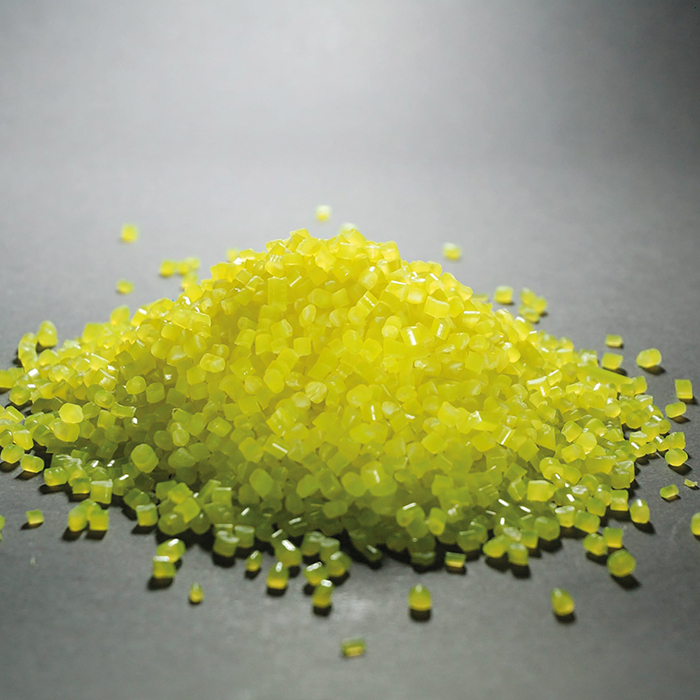
Currently, there are no restrictions on engineered polymers in IEC 60079 regulations, making them ideal for Zone 0 rated products. When combined with special additives, polymers can now have very low surface resistance that virtually eliminates static charge build-up per standards requirements. Polymers do not corrode or chemically react with the class IIC gasses found in most hazardous environments. In addition to being lightweight, unlike metal, polymers cannot complete a circuit or create a spark if dropped.
Rather than mixing and matching products from several companies, a single source manufacturer ensures consistent quality and safety across an entire product line. Because of the knowledge, time, and expense required to engineer and produce IS certified products, a very limited number of companies can achieve this.
Nightstick, a global manufacturer of over 50+ intrinsically safe professional, portable LED lighting products exceeds industry standards in performance, quality and user-safety. Find the certification level you need or locate a dealer near you at www.nightstick.com
