
News
Knock-Out Drum Corrosion Solution for Leading Oil & Gas Operator
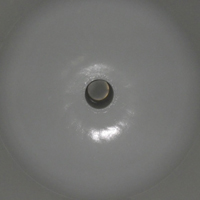 Knock-Out Drum Corrosion Solution for Leading Oil & Gas Operator
Knock-out drums or pots (KOD) are widely used in the Oil & Gas industry for separating components of a vapour-liquid mixture and are highly susceptible to corrosion due to the aggressive chemicals and high operational temperatures.
Their service environment is corrosive due not only to the non-hydrocarbon constituents naturally present in crude oil such as sulfur, nitrogen, water and inorganic salts, (Read More)
but also to the great number of chemical substances commonly added to the refining process such as carbon dioxide, ammonia, cyanide and amines.
Knock-out drums are subjected to sulfur in three forms that can cause severe pitting, grooving and general corrosion, these being hydrogen sulfide (H2S), other sulfur compounds and elemental sulfur. Pitting and stress corrosion cracking (SCC) can also occur while processing high-nitrogen (N2) feedstock due to the exposure to ammonia (NH3) and cyanide.
Water can act as an electrolyte as well as a hydrolyzing agent resulting in the formation of acidic environments within the knock-out drums. Chlorides, such as calcium chloride (CaCl2), magnesium chloride (MgCl2) and sodium chloride (NaCl) lead to the creation of such acidic environments and can cause the formation of hydrated iron oxide, increasing the corrosion rate of unprotected surfaces. Moreover, the mixture of wet carbon dioxide, wet hydrogen sulfide and amines can also result in high corrosion rates.
In order to combat corrosion within an ammonia acid gas KOD used in the Tail Gas Amine Treatment System for sulfur recovery in their refinery, a major US Oil & Gas asset owner was in need of a reliable coating solution. The protection system was required to ensure the integrity of the Sulfur Recovery Unit (SRU) that removes sulfur compounds from acid gas process streams before they are vented out to the atmosphere.
Advertisement - Hover to see more
Advertisement - Hover to see more
Advertisement - Hover to see more
The ammonia acid gas KOD used in this process was vertical with dimensions 42” OD x 96” tan-tan, operating at 249ºF (120ºC) and 12.6 psig (1.88 bar). The mix of hydrocarbons consisted of hexane, pentane, butane, propane, ethane, methane and contaminants, including sulfur, nitrogen, ammonia, water and wet carbon dioxide.
Being aware of the common linings limitations, the company was looking to protect the KOD with a material that would not compromise low cross-link density for excellent temperature resistance. Systems with low cross-link density are susceptible to a high degree of permeation of both water and gases leading to corrosion. This phenomenon increases dramatically as the polymer system reaches its softening point (Heat Distortion Temperature) when movement of the polymer chains increases and permeation occurs more readily. Systems with high cross-link density, although exhibiting excellent permeation and temperature resistance tend to be too rigid and crack during thermal cycling or flexing.
Solvent-based materials were not considered as a possible solution for the company due to a desire for more environmentally friendly systems. An additional significant factor against solvent-based coatings is the problems experienced due to solvent retention within the film. Solvent can be trapped within the applied linings and eventually evaporate leaving behind a void, which can then be filled by the process fluids causing bubbling and blistering. The chemicals will then attack the coating and lead to premature failure.
On the basis of these considerations, Belzona 1523 and Belzona 1593 new high temperature process vessel linings were able to fulfill all client’s requirements. This pioneering polymer technology exhibits very high resistance to a wide range of chemicals and provides excellent adhesion to all rigid metallic substrates, ensuring long- term corrosion protection under immersed conditions at high temperatures. With a 24-hour overcoat window the new formulations eliminate the need for flash blasting between coats and due to improved rheology, the new linings exhibit superior flow and levelling, enabling accurate control of the film thickness, while the light colours facilitate easier inspection of the lining after application. Rubbery domains that inhibit crack propagation have been incorporated into the polymeric structure of Belzona 1523 and Belzona 1593 to provide increased impact resistance and flexibility.
A Work Procedure was written and discussed prior to the application, covering all steps of the application process including health and safety issues. The application was carried out by an incumbent contractor’s four-man team. The work of the sprayer and the three supporters was supervised by a Belzona representative, the refinery coating specialist, the refinery incumbent NACE certified inspector and two refinery maintenance managers.
After grit blasting, the surface was cleaned and degreased with Belzona 9111 (Cleaner Degreaser). Due to high levels of relative humidity a dehumidifier unit was utilized to prevent flash rusting of the prepared surface, thus avoiding any risk of corrosion prior to coating. Following this, Belzona 1593 hand applied lining was used for stripe coating and nozzle lining. The crew carried on with the application of Belzona 1523 using a plural component Graco airless spray system. The coating applied easily and the application team agreed that the material “sprayed beautifully”.
The dehumidifier was used again at this stage in order to eliminate the possibility of condensation prior to application of the second coat. On the next day, the crew applied the second coat of Belzona 1523 in light grey. After 24 hours, high-voltage holiday detection was conducted using a high voltage spark tester. A small number of pinholes were detected and repaired accordingly.
The application took less than three days to complete and the client was fully satisfied, stating, “I see us applying this material on every piece of equipment around”. In fact, shortly following this application and after using Belzona materials for more than 7 years, the client employed Belzona 1523 again to coat another vessel.
With simplified application techniques, the clients were able to avoid expensive equipment replacement costs as well as the high expenses that can be incurred when employing contractors for large periods of time.
For more information visit:
www.belzona.com
